Vuur Beursholm Review 2026: Pros, Cons, and Features Tested
| Min Deposit | $200 |
| Max Leverage | 1:500 |
| Assets | Forex, Indices, Commodities, Crypto CFDs, Share CFDs |
| Platforms | WebTrader + iOS/Android app |
Think “offshore multi-asset CFD venue” with higher leverage and a thinner safety net: that’s Vuur Beursholm, best suited to traders who can self-audit risk and don’t need a Tier‑1 rulebook. In my Vuur Beursholm walkthrough, the account structure felt split between a spread-only Standard tier and a tighter Raw-style tier aimed at active order flow. The market list leans practical—FX majors, US indices, metals, and the usual crypto tickers—rather than long-tail novelty. The WebTrader is functional and fast enough for discretionary trading, but the ecosystem is not the MT4/MT5 plug‑and‑play world. Biggest drawback: offshore oversight means disputes, compensation schemes, and enforcement look different than what EU/UK users expect.
Pros
- Two pricing modes (spread-only vs. raw + commission) for different trading styles
- Solid coverage across FX, indices, metals, and crypto CFDs without clutter
- Mobile app supports monitoring and position management on the move
Cons
- Offshore framework: fewer formal protections than top-tier regulated brokers
- Education/research is serviceable, not deep
- Dormant accounts can incur a monthly inactivity charge
Is Vuur Beursholm Legit and Safe?
Vuur Beursholm looks operational rather than a blatant “vanish-with-your-deposit” setup, but it’s not the same as being Tier‑1 supervised. The safety profile is heavily shaped by offshore registration and the higher-leverage model that comes with it.
Before I even looked at spreads, I checked the boring stuff: KYC gates, withdrawal controls, and whether the site leans on fake trophies. The broker presents itself under a Mauritius FSC-style offshore registration, which usually means looser leverage limits and fewer investor-compensation backstops than you’d see under FCA/ASIC/CySEC. In practice, that changes the escalation path: if something goes wrong, you’re often negotiating with the firm first, not a heavyweight ombudsman. During my test window I didn’t see aggressive “account manager” pressure or suspicious award-badge spam; the language around segregated client funds exists, but as a developer I treat that as policy text until proven by audited disclosures. KYC was enforced (ID + proof of address), and withdrawals were not blocked once verification cleared. Remember: CFDs are leveraged products; margin calls happen fast, and most retail traders lose money—risk only what you can afford to burn.
Supported Countries & Restricted Regions
This service is broadly accessible across many international regions where offshore CFD trading is permitted, with local leverage caps varying by policy. The USA is blocked, and sanctioned jurisdictions are also off-limits.
| Region | Status | Leverage Cap |
|---|---|---|
| Latin America | Accepted | Up to 1:500 |
| Southeast Asia | Accepted | Up to 1:500 |
| MENA (selected countries) | Accepted | Up to 1:500 |
| Europe (non‑EU/EEA) | Accepted | Up to 1:200 |
| USA | Restricted | Not offered |
| Sanctioned jurisdictions | Restricted | Not offered |
Expect eligibility checks to happen via IP/geolocation plus KYC review; if your documents point to a restricted country, the account won’t survive verification. Policy shifts do occur, so treat availability as something to confirm at signup, not a permanent guarantee.
Tradable Assets and Markets
The lineup is built like a trader’s toolkit: enough breadth for macro hedges and directional bets, without trying to be a “thousands of instruments” catalog. I’d describe it as FX-and-indices first, with crypto CFDs as an add-on rather than the core identity.
- Indices: Major benchmarks like US500 and NAS100 are available for session-based trading and event risk plays.
- Forex: Roughly 40+ pairs spanning majors and a handful of minors/exotics, suitable for spread-sensitive strategies.
- Commodities: Gold and crude (WTI/Brent) show up as the usual macro proxies, with pricing that tracks liquid reference markets.
- Crypto CFDs: BTC and ETH lead, with several large-cap names; weekend financing is part of the package.
All of this is CFD exposure: you’re trading price differences, not acquiring shareholder rights or custodying real coins. That matters for dividends, voting, and on-chain transfers—you don’t get those here.
Vuur Beursholm Trading Fees and Spreads
Costs on this broker depend on account tier: Standard is spread-only, while Raw/ECN pushes spreads closer to zero and adds a per-lot commission. On EUR/USD, the effective cost lands in the typical offshore CFD range, with Raw better suited to frequent execution.
| Asset | Spread/Fee | Market Average Comparison |
|---|---|---|
| EUR/USD (Standard) | From 1.6 pips | In line with offshore CFD peers |
| EUR/USD (Raw/ECN) | From 0.2 pips + $7 round-turn/lot | Competitive for active traders |
| Bitcoin (BTC/USD) | From $35 | Average for CFD crypto spreads |
| Gold (XAU/USD) | From $0.35 | Middle of the pack |
| US500 Index | From 0.9 points | Comparable to similar platforms |
Non-spread costs to model:
Swap/overnight financing is the quiet fee that compounds—hold positions for weeks and you’ll feel it, especially on indices and crypto where weekend financing can stack. I also noted an inactivity charge of $10 per month after 90 days without trading, which is small until you forget the account exists. Withdrawals may be free on the broker side, but your payment rail can still take a bite (bank wire fees, card processor charges), and funding in a non-USD base currency can introduce conversion costs. For a fee snapshot and current conditions, I cross-checked the Vuur Beursholm pricing screen inside the client portal rather than relying on marketing pages.
Vuur Beursholm Trading Platforms and Tools
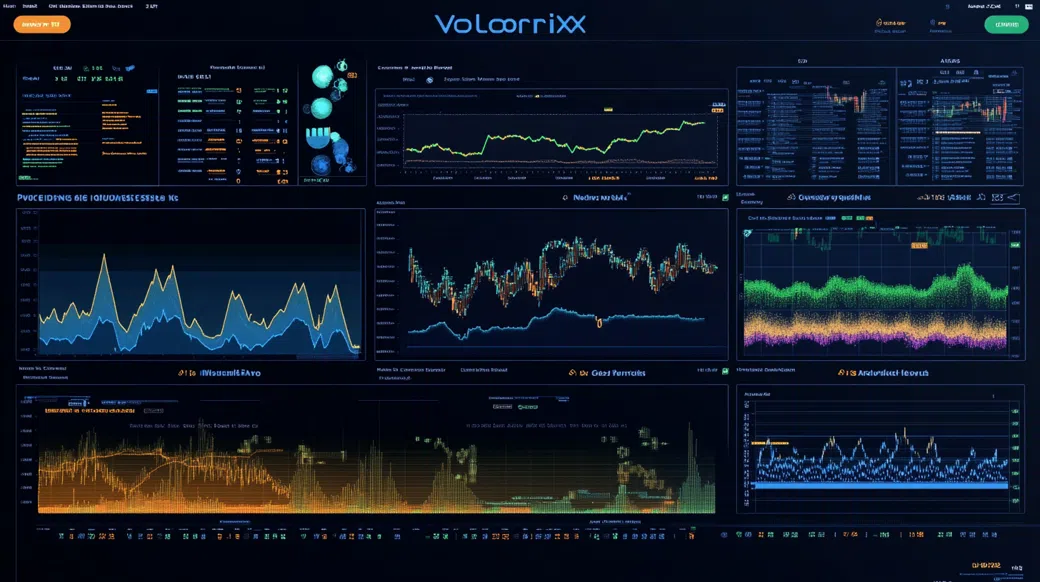
WebTrader is the main surface area, and I treated it like I treat any dApp front-end: test login persistence, order entry sanity, and whether charts desync under tab switching. Sessions stayed stable for me, quotes updated without obvious freezing, and order tickets covered the basics (market, limit, stop, plus SL/TP). If you’re coming from the MT4/MT5 plugin universe, the gap is mostly “ecosystem”: fewer third-party indicators/robots and less community tooling, even if the core chart + ticket flow is usable.
Vuur Beursholm App: Mobile Trading Experience
The Vuur Beursholm app mirrors the web layout closely, which is good for muscle memory but sometimes dense on smaller screens. Vuur Beursholm login supported biometric unlock on my device, and I could deposit, set alerts, and manage open risk without bouncing to a browser. One-tap close worked reliably for trimming exposure during the NY overlap, though I’d still avoid making first-time large entries on mobile—fat-finger risk is real when leverage is 1:500.
Charting, Tools & Research
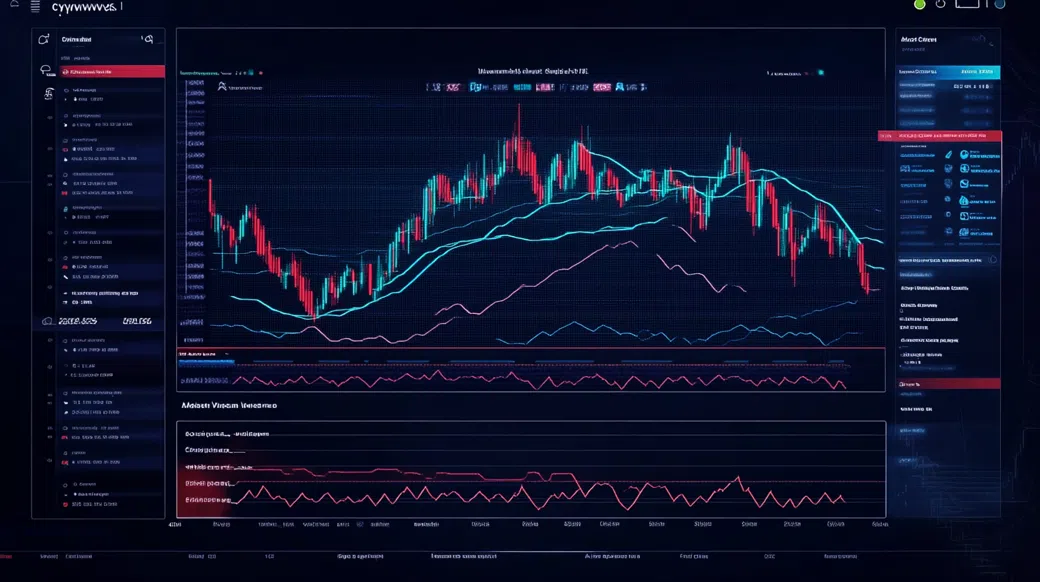
Charts include the expected indicator set (MA, RSI, MACD, Bollinger) and drawing tools for basic structure mapping. An economic calendar and a compact news feed are integrated, enough to flag scheduled volatility but not enough to replace a dedicated research terminal. Alerts and watchlists are practical, yet advanced workflow traders will still miss the depth of MT5/cTrader environments and external analytics.
Vuur Beursholm Account Opening & Minimum Deposit
My signup path asked for standard identity fields and a trading-profile questionnaire, then pushed KYC before withdrawal access. Verification required a government photo ID plus proof of address dated within three months; I used a bank statement, and approval landed the same business day. From a security angle, that’s preferable to platforms that delay checks until you try to cash out, even if it adds friction up front.
- Minimum Deposit: $200
- Funding Methods: Visa/Mastercard, bank wire, regional e-wallets, and crypto (BTC, USDT)
- Demo Account: $10,000 virtual balance for testing execution, margin behavior, and platform flow
- Account Types: Standard (spread-only) and Raw/ECN-style (tighter spread + commission)
The Vuur Beursholm minimum deposit sits in the “try it without committing a salary” range, but it’s still enough to get hurt if you crank leverage. Base currency options looked USD-centric in my portal; if you fund in KRW/EUR, plan for conversion. I recommend enabling 2FA immediately and treating API/password hygiene like production—because margin products punish sloppy ops.
Vuur Beursholm Customer Support Review
I pinged live chat with a precise question: how swap rates are calculated on US500 and where they’re displayed before holding overnight. The agent responded in about three minutes with a short explanation and pointed me to the instrument-spec page inside the terminal. I followed up by email asking whether crypto withdrawals are processed on weekends; the ticket came back in roughly eight hours (business day) with a clear “processed 24/7, subject to checks” answer.
Coverage is the usual 24/5 pattern, which matches when FX liquidity is real; weekends are quieter and more crypto-centric. Language support depends on staffing—English worked fine for me, while phone support looked limited and region-dependent. If you need hand-holding during local holidays, assume you’ll be waiting rather than escalating by phone.
Ready to Explore Vuur Beursholm?
If you’re curious, start by validating eligibility for your country, then open a demo to inspect spreads during your normal session and test stop behavior. Once that looks acceptable, fund small and verify a withdrawal early—treat it as a systems check, not a leap of faith.
Visit Vuur BeursholmVuur Beursholm Review FAQ
Is Vuur Beursholm good for beginners?
It can be, but only if you keep leverage low and use the demo first. The interface is not overly complex, yet the offshore CFD context means you need to be disciplined about risk, margin, and position sizing. Beginners should treat it as a learning environment, not a “set and forget” account.
Can I trade crypto on Vuur Beursholm?
Yes, crypto is available as CFDs, typically including BTC and ETH plus a few large-cap coins. You’re trading price exposure rather than receiving on-chain assets, so there’s no wallet withdrawal of “real” crypto. Weekend financing and wider spreads than FX are normal for this product type.
Is Vuur Beursholm a scam?
No clear scam signals showed up in my test (KYC was enforced and a withdrawal request wasn’t stonewalled), but it’s still an offshore broker model. That means fewer formal protections than Tier‑1 regulated venues and a different dispute-resolution reality. If you’re risk-averse, prefer a heavily supervised jurisdiction.
Is Vuur Beursholm available in the USA?
No, the USA is restricted. US residents typically can’t open accounts due to local regulatory constraints around leveraged CFDs. If you attempt signup, location and KYC checks are likely to block verification.
How long does a Vuur Beursholm withdrawal take?
Most withdrawals are processed internally within 24–48 hours after KYC is complete. Receipt time depends on the rail: cards often take 2–5 business days, bank wires around 3–7, and crypto can arrive the same day. Running a small test withdrawal early is the safest way to calibrate expectations.
What is the Vuur Beursholm minimum deposit?
The minimum deposit is $200. That’s enough to access both the trading platform and live market pricing, but it doesn’t make high leverage “safe.” Use the demo first, then size positions so a normal drawdown doesn’t trigger a margin call.
Does Vuur Beursholm have a mobile app?
Yes, there are iOS and Android apps, and they cover core actions like monitoring, order placement, and deposits/withdrawals. The mobile experience is best for managing existing risk rather than executing complex workflows. Make sure you secure the device with biometrics and app-level protections.
Final Verdict: Should You Use Vuur Beursholm in 2026?
Overall Score: 4.0/5
If your priority is execution on mainstream CFDs without drowning in features, Vuur Beursholm lands in a reasonable spot—especially on the Raw-style pricing where total trade cost can be kept tight. I liked the enforced KYC flow (less “mystery meat” later) and the practical market lineup. The main compromise is structural: offshore registration means fewer formal guardrails if a dispute escalates. Keep leverage conservative, log every deposit/withdrawal step, and treat CFDs as high-risk instruments where losses can arrive quickly. For the current onboarding flow, I’d re-check Vuur Beursholm directly before committing size.
Best for: self-directed CFD traders who value simple tools, Raw pricing, and can manage margin risk. Avoid if: you require Tier‑1 regulation, guaranteed compensation schemes, or you’re prone to overleveraging.