Stake 0.6 Maxalt Trading Platform Alternatives 2026: Reliable Options for Online Traders
Code tells the truth faster than headlines. When I look at platforms in the offshore CFD lane, I don’t start with “features” — I start with failure modes: custody, withdrawals, leverage controls, and what regulator (if any) can force a dispute to end. That’s the practical backdrop for evaluating Stake 0.6 Maxalt and, more importantly, mapping out Stake 0.6 Maxalt alternatives that don’t turn basic account operations into a stress test.
Based on what’s commonly observable for this category of broker, Stake 0.6 Maxalt appears positioned as an offshore, CFD-first provider (typically offering forex and index/commodity CFDs, often with crypto CFDs). The platform stack is usually a proprietary WebTrader with a companion mobile app, which can be perfectly usable for manual trading but tends to bottleneck advanced workflows: audited execution reporting, algorithmic strategies, and granular risk controls. Cost-wise, brokers in this segment often quote “from” spreads but deliver a wider realized spread once volatility hits; a typical EUR/USD spread around 2.0 pips is a reasonable expectation, with leverage marketed as high (commonly up to 1:500) and entry deposits around a few hundred dollars (often $250).
For US/EU traders, the question isn’t only “can I place trades?” It’s “what happens when something breaks?” This guide to Stake 0.6 Maxalt trading platform alternatives 2026 focuses on regulated brokers where you can verify licenses on public registers, evaluate investor-protection mechanics, and pick a platform stack that fits your strategy without relying on blind trust.
Disclaimer: This article is for informational purposes only and does not constitute investment advice. CFDs and other leveraged products carry a high risk of loss and may not be suitable for all investors.
Key Takeaways (TL;DR)
- If you need verifiable oversight, prioritize FCA/ASIC/CySEC/NFA-regulated brokers and confirm the license on the regulator’s public register before funding.
- For cost comparison, use round-turn trading cost (spread + commission) and consider swap/overnight fees—headline leverage is not a cost advantage.
- Assume positions cannot be transferred between brokers; plan to close and re-open trades and export your history before migrating.
What Is Stake 0.6 Maxalt and How Does Its Trading Platform Work?
In practice, Stake 0.6 Maxalt reads like an offshore CFD broker rather than a full multi-asset venue. The operational pattern is familiar: forex and CFD exposure as the core product, an account flow optimized for fast onboarding, and a higher-leverage pitch (often up to 1:500). Publicly, these setups are frequently tied to a light-touch framework such as the Seychelles FSA, which is not the same thing as FCA/ASIC-style supervision with robust client-money rules and well-tested complaint pathways. That difference matters when traders compare brokers similar to Stake 0.6 Maxalt for day-to-day reliability: funding, withdrawals, and dispute handling are where the “platform” becomes real.
Stake 0.6 Maxalt Web Trading Platform: Core Features and Tools
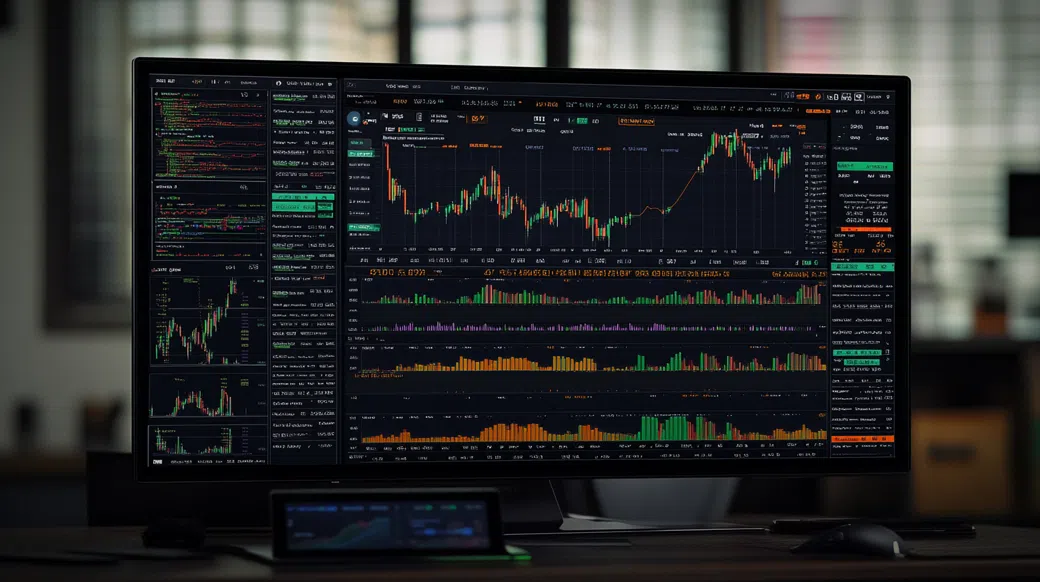
Expect a proprietary WebTrader with basic-to-mid charting rather than a deep ecosystem like MT5 or cTrader. Chart layouts are usually clean, with common indicators and drawing tools, but the ceiling shows up when you want granular order control (advanced stop logic, partial fills reporting) or execution transparency (timestamps, slippage stats, or downloadable tick-level audit trails). Mobile apps tend to mirror the web feature set: watchlists, market/limit/stop orders, and account snapshots. The account dashboard typically centralizes margin usage, open P/L, and funding actions, which is convenient—yet convenience is not the same as verifiability, a key theme when evaluating platforms like Stake 0.6 Maxalt.
Trading Fees, Spreads, and Account Types at Stake 0.6 Maxalt
Fee schedules in this segment commonly revolve around a “Standard” spread-only model, with EUR/USD often landing around 2.0 pips in normal conditions. Some offshore CFD brokers also advertise a lower-spread tier (Raw/ECN-style) with spreads near 0.0–0.4 pips plus a commission (often around $7 round-turn per lot), but the real question is how consistently those quotes translate into fills during news spikes. Add the less-visible line items: swap/overnight financing for held positions, possible inactivity charges after dormancy, and withdrawal processing fees depending on the payment rail. Those frictions are why competitors to Stake 0.6 Maxalt get evaluated on total cost and operational policy, not just “tight spreads.”
When Do Traders Start Looking for Stake 0.6 Maxalt Alternatives?
Withdrawal certainty is the first domino. If you’re running a strategy that compounds small edges, the platform’s biggest risk is not a bad trade—it’s an operational delay that forces you to de-risk at the wrong moment. That’s why Stake 0.6 Maxalt alternatives often come into the picture when traders notice that the rules around funding, KYC/AML checks, or dispute escalation are opaque compared with regulated options. High leverage (like 1:500) can amplify short-term returns, but it also compresses your margin-of-error; one volatility event plus slippage can turn a “normal” loss into a liquidation.
- You want a regulator-backed complaint path (FCA/ASIC/CySEC/NFA) instead of relying on internal support tickets.
- You need MT4/MT5/cTrader for automation, EAs, or reproducible execution logs that a basic WebTrader can’t provide.
- Your strategy is sensitive to slippage, and the current execution model doesn’t provide clear reporting or consistent fills during fast markets.
- You’re expanding into real stocks/ETFs, options, or futures and don’t want stock exposure delivered only as CFDs.
How to Choose a Reliable Alternative to the Stake 0.6 Maxalt Trading Platform
Think of broker selection as an attack-surface review: who holds your funds, what rules govern them, and what telemetry you get when execution diverges from expectation. For alternatives to the Stake 0.6 Maxalt trading platform, I filter options by verifiable regulation, then by product fit (what you can actually trade), then by the platform stack that supports my workflow. Only after that do spreads and commissions matter—because a low spread doesn’t compensate for weak safeguards.
Regulation, Safety, and Investor Protection
Start with the regulator’s database, not the broker’s footer. FCA (UK), ASIC (Australia), CySEC (EU/Cyprus), and NFA/CFTC (US) each publish registers where the legal entity and permissions can be checked. In the UK, FSCS investor protection can apply up to £85,000 for eligible claims; in Cyprus, ICF coverage can apply up to €20,000 (eligibility and product scope matter). Look for segregated client funds, negative balance protection (where required), and clear disclosures about how client money is handled.
Available Markets and Instruments
Map instruments to intent. FX and index CFDs can cover macro views, but they won’t replace owning real shares or ETFs if you care about shareholder rights, corporate actions, or long-duration investing. If you need options or futures, you’re typically in multi-asset territory (and you’ll want proper margin tooling). For regulated options vs Stake 0.6 Maxalt, this is where a broker’s product shelf—and the legal structure behind it—defines what “trading” even means.
Trading Costs: Spreads, Commissions, and Other Fees
Use round-turn cost to compare apples to apples: spread cost (in pips) plus commission (if any) for opening and closing. A “Raw” account with 0.1–0.3 pips plus commission can be cheaper than a 1.0–1.5 pip spread-only account for active traders, but swap/overnight fees can dominate if you hold positions. Also check non-trading fees: inactivity rules, conversion fees, and withdrawal charges. The cheapest broker on paper can be expensive in practice if fees cluster around your behavior.
Platforms, Tools, and Execution Quality
Platform choice is not cosmetic; it changes what you can verify. MT4/MT5 and cTrader support automation, backtesting workflows, and more mature logging than many WebTraders. Execution model matters too: market maker vs STP/ECN/DMA influences how orders are routed and where slippage can show up. If you’re migrating from Stake 0.6 Maxalt, treat execution quality as measurable: test fills around session opens, compare requotes, and keep an eye on latency if you scalp.
Support, Education, and Overall User Experience
Support is part of risk control. Look for multi-language coverage, clear hours, and documented escalation routes, especially if you trade outside US/EU business time. Education matters less than policy clarity: margin call logic, stop-out levels, and how negative balances are handled. Mobile parity is also a real constraint; if the app can’t manage orders reliably, you’ll overtrade or under-hedge when away from a desk.
Stake 0.6 Maxalt and Different Asset Classes: When Alternatives May Be Better
Stake 0.6 Maxalt Forex and CFD Trading
For forex/CFDs, the attractive headline is usually leverage—commonly up to 1:500 in offshore setups—with a simple WebTrader workflow. The hidden variable is execution: during volatile releases, your realized cost is spread widening plus slippage, and that can matter more than the difference between 1:200 and 1:500 leverage. With Stake 0.6 Maxalt, a typical EUR/USD spread around 2.0 pips is a reasonable expectation for a standard account category. By contrast, regulated FX/CFD specialists like Pepperstone or IC Markets often provide MT4/MT5/cTrader and price structures where raw spreads can be very low with transparent commission. If you’re choosing among Stake 0.6 Maxalt alternatives for active trading, focus on order handling under stress—stop execution, partial fills, and the broker’s published execution model—not marketing leverage.
Stake 0.6 Maxalt Stock and ETF Trading
Equities are where the “CFD-first” approach shows its limits. Offshore CFD brokers frequently offer stock exposure only as CFDs (or keep the menu narrow), which means no shareholder rights and different financing mechanics for holding positions. If you want real stocks and ETFs with broad market access, multi-asset venues like Interactive Brokers (IBKR) or Saxo Bank are built for that: direct market access in many venues, corporate actions handling, and a deeper set of order types. For US/EU readers comparing top substitutes for Stake 0.6 Maxalt, this gap is decisive: “I trade Apple” can mean either owning shares or trading a derivative contract—those are different risk profiles, especially around dividends, borrow costs, and overnight financing.
Stake 0.6 Maxalt Crypto Trading
Crypto exposure on offshore trading platforms is commonly delivered as crypto CFDs, not on-chain ownership. That structure can be fine for short-term price speculation, but you’re not withdrawing coins to a wallet, and you’re taking counterparty risk in addition to market risk. If you specifically want regulated crypto CFDs, brokers like IG or Plus500 offer crypto CFDs in certain jurisdictions (eligibility varies), with clearer rulebooks and established supervision compared to offshore providers. For traders scanning brokers similar to Stake 0.6 Maxalt, the key question is “what do I actually get?” If the instrument is a CFD, pay attention to overnight financing, weekend pricing, and how the broker handles gaps—because leverage plus crypto volatility is a fast route to margin calls.
Best Stake 0.6 Maxalt Alternatives for 2026: Comparison of Top Trading Platforms
Interactive Brokers (IBKR): Key Facts and How It Compares to Stake 0.6 Maxalt
Regulation: SEC/FINRA (US), FCA (UK), IIROC (Canada)
Markets: Stocks, ETFs, options, futures, bonds, FX
Fees: Varies by product/venue; FX pricing often commission-based with tight spreads; equity commissions depend on plan and region
Platform: Trader Workstation (TWS), Client Portal (web), mobile app, APIs
Best For: Multi-asset traders who want auditability and broad market access
Pepperstone: Key Facts and How It Compares to Stake 0.6 Maxalt
Regulation: FCA (UK), ASIC (Australia), CySEC (EU), DFSA (UAE)
Markets: FX, CFDs (indices, commodities, metals; product list varies by entity)
Fees: Standard spreads typically around ~1.0–1.2 pips on EUR/USD; Razor/Raw-style pricing often ~0.0–0.3 pips + commission (commissions vary by platform/entity)
Platform: MT4, MT5, cTrader, TradingView (where available)
Best For: Scalpers and EA users who need MT4/MT5/cTrader execution
Saxo Bank: Key Facts and How It Compares to Stake 0.6 Maxalt
Regulation: FCA (UK), MAS (Singapore), DFSA (UAE)
Markets: Stocks, ETFs, bonds, FX, options, futures, CFDs
Fees: Pricing depends on tier and product; FX spreads can be competitive (often sub-1 pip on majors in many tiers); commissions apply on exchange-traded products
Platform: SaxoTraderGO, SaxoTraderPRO
Best For: Portfolio-style traders who mix FX with listed markets
OANDA: Key Facts and How It Compares to Stake 0.6 Maxalt
Regulation: CFTC/NFA (US), FCA (UK), ASIC (Australia), IIROC (Canada)
Markets: Primarily FX; CFDs available outside the US (depending on entity)
Fees: Spread-based pricing; EUR/USD spreads commonly around ~0.8–1.6 pips depending on market conditions and account type; financing applies to held positions
Platform: OANDA web/mobile, MT4 (availability varies)
Best For: Risk-focused FX traders who want strong regulatory coverage
IG: Key Facts and How It Compares to Stake 0.6 Maxalt
Regulation: FCA (UK), ASIC (Australia), MAS (Singapore)
Markets: CFDs (indices, FX, commodities, shares), spread betting (UK/IE)
Fees: Spread-based for many CFDs; major FX spreads can be around ~0.6–1.5 pips depending on conditions; overnight financing on CFDs
Platform: IG Trading Platform (web/mobile), MT4 (where available)
Best For: Active CFD traders who want deep market coverage and research tools
Plus500: Key Facts and How It Compares to Stake 0.6 Maxalt
Regulation: FCA (UK), CySEC (EU), ASIC (Australia), MAS (Singapore)
Markets: CFDs (FX, indices, commodities, shares; crypto CFDs where permitted)
Fees: Spread-based pricing; typical FX spreads often around ~0.6–2.0 pips depending on pair and volatility; overnight fees apply
Platform: Plus500 proprietary WebTrader and mobile app
Best For: Simplicity-first users who prefer a clean proprietary interface
Comparison Summary
| Platform | Regulation | Main Markets | Typical Costs | Best For |
|---|---|---|---|---|
| Interactive Brokers (IBKR) | SEC/FINRA, FCA, IIROC | Stocks/ETFs, options, futures, FX, bonds | Product-dependent; FX often tight with commissions; exchange fees/commissions on listed markets | Multi-asset traders who want auditability and broad market access |
| Pepperstone | FCA, ASIC, CySEC, DFSA | FX and CFDs | ~1.0–1.2 pip (Standard) or ~0.0–0.3 pip + commission (Raw/Razor-style) | Scalpers and EA users who need MT4/MT5/cTrader execution |
| Saxo Bank | FCA, MAS, DFSA | Stocks/ETFs, options, futures, FX, CFDs, bonds | Tiered; FX often sub-1 pip on majors in many tiers; commissions on exchange-traded products | Portfolio-style traders who mix FX with listed markets |
| OANDA | CFTC/NFA, FCA, ASIC, IIROC | FX (CFDs outside US depending on entity) | Spread-based; EUR/USD often ~0.8–1.6 pips; financing on overnight holds | Risk-focused FX traders who want strong regulatory coverage |
| IG | FCA, ASIC, MAS | CFDs across FX/indices/commodities/shares; spread betting (UK/IE) | Spreads often ~0.6–1.5 pips on major FX (conditions vary); overnight financing on CFDs | Active CFD traders who want deep market coverage and research tools |
| Plus500 | FCA, CySEC, ASIC, MAS | CFDs (FX/indices/commodities/shares; crypto CFDs where permitted) | Spread-based; often ~0.6–2.0 pips on FX depending on pair/volatility; overnight fees | Simplicity-first users who prefer a clean proprietary interface |
How to Safely Move from Stake 0.6 Maxalt to Another Broker
Migrations go wrong when people treat them like a signup form instead of a controlled change in counterparty risk. Do it like you’d rotate keys: verify the new environment first, then cut over with minimal exposure, then decommission the old access. If you’re moving from an offshore CFD venue to a regulated one, remember that leverage plus execution differences can change your drawdown profile even if the chart looks “the same.”
- Check the new broker’s legal entity on the relevant public register (FCA Register, ASIC Connect, CySEC database, or NFA BASIC) and confirm it’s the entity you will actually onboard with.
- Open the new account and complete KYC/AML upfront (government ID + proof of address). Don’t assume you can withdraw smoothly later if your verification is incomplete.
- Export statements, trade history, and funding records from Stake 0.6 Maxalt before you change anything; those files are useful for taxes, disputes, and performance analysis.
- Flatten exposure on the old account by closing positions intentionally. Position transfers between retail brokers are not a standard feature, so plan to re-enter on the new venue if you still want the trade.
- Withdraw using the same payment rail you used to deposit when possible; many brokers enforce this for AML reasons, and mismatches can slow processing.
Ready to Explore Stake 0.6 Maxalt?
If you’re still evaluating your options, review current onboarding terms, eligible regions, and the platform stack side-by-side with the regulated brokers above. Treat the comparison like a spec review: costs, execution tooling, and protections should match your strategy before you fund any account.
Visit Stake 0.6 MaxaltFAQ: Stake 0.6 Maxalt Alternatives and Trading Platforms
What is the best alternative to Stake 0.6 Maxalt in 2026?
The best alternative depends on what you’re trying to verify and trade: for broad, regulated multi-asset access, Interactive Brokers (IBKR) is hard to beat; for MT4/MT5/cTrader-focused FX/CFD execution, Pepperstone is often the cleaner fit. If you mainly want a regulated, research-heavy CFD experience, IG is a strong candidate. For many traders, the “best Stake 0.6 Maxalt alternatives 2026” shortlist ends up being a split between multi-asset ownership (IBKR/Saxo) and FX/CFD specialization (Pepperstone/OANDA).
Is Stake 0.6 Maxalt a safe broker/platform?
Stake 0.6 Maxalt appears to operate under an offshore framework (commonly associated with jurisdictions like Seychelles), which generally offers less investor protection than FCA/ASIC/CySEC/NFA regimes. That doesn’t automatically mean fraud, but it does mean fewer external controls around client-money handling, dispute resolution, and enforcement. If “safe” to you means segregated client funds, strong supervision, and compensation schemes, regulated brokers are usually a better match.
Can I trade stocks, futures, or crypto with Stake 0.6 Maxalt?
Stake 0.6 Maxalt is typically positioned around forex and CFDs, and crypto exposure (when offered) is usually via crypto CFDs rather than on-chain coin ownership. Real stocks/ETFs and listed futures are often not offered in the same way a multi-asset broker provides them; if they exist, they’re commonly delivered as CFDs. If you need listed futures or want to own stocks/ETFs directly, brokers like IBKR or Saxo Bank are more purpose-built.
What should I check before switching from Stake 0.6 Maxalt to another platform?
Before switching, confirm the new broker’s entity on the FCA/ASIC/CySEC/NFA register and read the client-money and negative balance protection terms that apply to your region. Then compare round-turn trading cost (spread + commission) and the execution model (market maker vs STP/ECN/DMA) because those details change slippage and stop behavior. Finally, complete KYC at the new broker before withdrawing and export all account records from the old platform so you don’t lose reporting continuity.
About the Author: Samuel White is a Seoul-based smart contract developer who approaches trading platforms the way he approaches production code: assume failure, verify externally, and minimize trust. He focuses on execution details, custody risk, and how regulation changes the outcome when something goes wrong.