Pregioranza Review 2026: Pros, Cons, and Features Tested
| Min Deposit | $200 |
| Max Leverage | 1:500 |
| Assets | Forex, Indices, Commodities, Crypto CFDs, Share CFDs |
| Platforms | Proprietary WebTrader, iOS app, Android app |
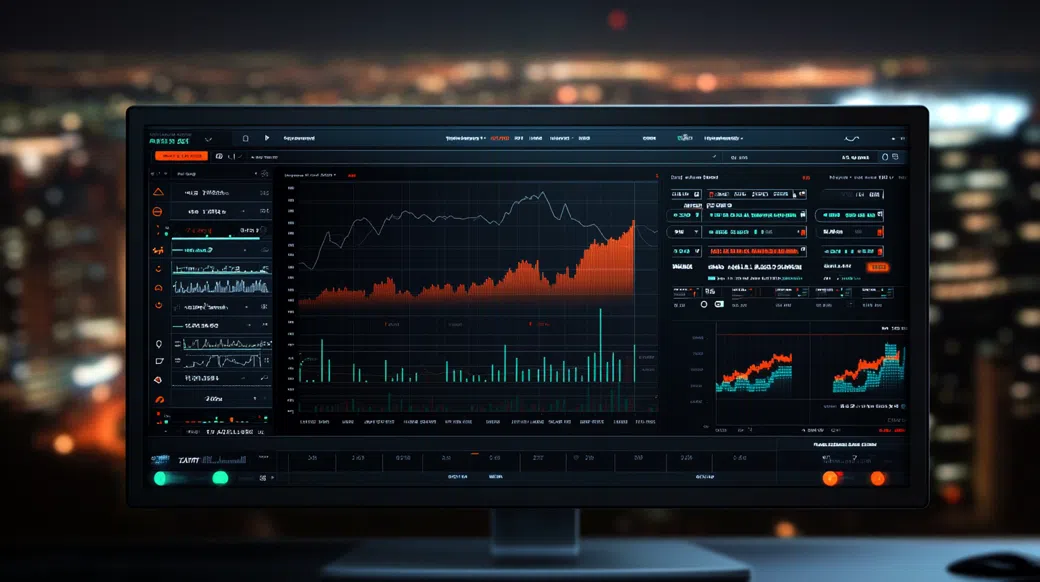
Built like a multi-asset CFD terminal, Pregioranza fits traders who want fast access to forex and index/commodity CFDs from a browser, with the headline trade-off being an offshore-style safety framework in exchange for higher leverage. In this Pregioranza review, I tested both the spread-only Standard tier and the tighter Raw/ECN-style pricing to see where the costs really land in 2026. The instrument list leans practical (majors, key indices, gold, large-cap crypto CFDs) instead of endless symbols. The proprietary WebTrader is clean and stable, and the mobile apps cover most day-to-day actions. The main drawback is that dispute escalation and investor compensation mechanisms are thinner than what you’d expect from a Tier‑1 regulated venue—so risk management matters. For current onboarding flow, Pregioranza is the reference point I used.
Pros
- Two pricing tracks: spread-only Standard or Raw/ECN-style with commission for tighter majors
- Solid mobile execution workflow (watchlists, alerts, position management) for a proprietary stack
- Good “core markets” coverage: FX + indices + metals + major crypto CFDs
Cons
- Operates under offshore registration, so protections vary from strict regulatory regimes
- Education/research content is functional but not deep enough for serious study
- Dormant accounts can be charged an inactivity fee after a period of no trading
Is Pregioranza Legit and Safe?
Pregioranza looks operational and tradeable rather than a “vanish-with-your-deposit” setup, but it’s not the same thing as being tightly regulated in a top-tier jurisdiction. I was able to complete KYC, place trades, and receive a withdrawal, yet the offshore structure means fewer formal backstops if something goes wrong.
From a compliance lens, the broker presented itself as registered under the Mauritius FSC framework, which typically indicates a lighter-touch model versus FCA/ASIC-style enforcement. That matters in practical ways: leverage can run higher (here up to 1:500), but compensation schemes and complaint escalation routes are usually weaker, and cross-border dispute resolution is rarely quick. My own red-flag scan focused on three things: deposit friction, sales pressure, and “too shiny” credibility badges. The deposit screens were normal, no aggressive bonus push was forced, and I didn’t see fake award popups inside the platform UI. On the safeguard side, KYC wasn’t optional—ID plus proof of address were requested before I could finalize withdrawals, and the legal pages referenced segregated client funds language (good sign, still not a guarantee). Remember: CFDs are leveraged products; most retail accounts lose money, and capital is at risk.
Supported Countries & Restricted Regions
This platform broadly accepts clients across parts of Europe (non‑EU), MENA, Southeast Asia, LATAM, and some African regions, with strict exclusions for the USA and sanctioned jurisdictions. Eligibility is tied to local rules and the provider’s risk policy.
| Region | Status | Leverage Cap |
|---|---|---|
| Europe (non‑EU/EEA) | Accepted | Up to 1:500 |
| Southeast Asia | Accepted | Up to 1:500 |
| MENA (selected countries) | Accepted | Up to 1:500 |
| Latin America | Accepted | Up to 1:500 |
| USA | Restricted | Not offered |
| Sanctioned jurisdictions | Restricted | Not offered |
In practice, access is enforced via a mix of IP checks and KYC review, and I was asked to confirm residency during signup. Policies can change, so treat “Accepted” as conditional on your documents matching a currently supported country.
Tradable Assets and Markets
The catalog feels designed for traders who rotate between macro instruments: liquid FX pairs, benchmark indices, and a handful of commodity and crypto CFDs. Instead of “everything,” it focuses on what’s most commonly margin-traded.
- Indices: US500, NAS100, US30, and major Europe benchmarks like GER40 for intraday volatility and session-based setups.
- Forex: 40+ pairs including majors and selected minors; spreads on EUR/USD depend heavily on whether you pick Standard or Raw/ECN-style pricing.
- Commodities: Gold and silver are central, with crude variants (WTI/Brent) available for event-driven trading around inventories and OPEC headlines.
- Crypto CFDs: BTC and ETH plus large-cap names; expect wider weekend pricing and financing effects compared to weekdays.
All of these are CFDs, so you’re trading price exposure, not owning the underlying asset. That means no shareholder voting rights on share CFDs and no on-chain withdrawals for crypto—just P/L settled inside the margin account.
Pregioranza Trading Fees and Spreads
Pricing is split by account type: Standard is spread-only, while the Raw/ECN-style tier compresses spreads and adds a per-lot commission. On majors, the Raw/ECN model can reduce the “spread drag” for active traders, while Standard is simpler but usually pricier over many round trips.
| Asset | Spread/Fee | Market Average Comparison |
|---|---|---|
| EUR/USD (Standard) | From 1.6 pips | Near average for offshore CFD brokers |
| EUR/USD (Raw/ECN) | From 0.2 pips + $7 round-turn/lot | Competitive for commission-based accounts |
| Bitcoin (BTC/USD) | From 0.25% (variable) | Typical for CFD crypto pricing |
| Gold (XAU/USD) | From 25 cents | About average; widens around volatility spikes |
| US500 Index | From 0.9 points | In line with common index-CFD spreads |
Non-spread costs I noticed: Overnight swap/financing is the quiet fee that compounds; holding index CFDs for multiple days showed financing debits that were small per night but meaningful across a week. The broker also lists an inactivity charge of $10 per month after 90 days without trading, which is easy to forget if you “park” an account. Withdrawals can be fee-free on the platform side, but your rail can still bite—card processors, banks, and crypto network fees are outside the broker’s control, and conversion costs apply if you fund in a different currency than your base balance.
Pregioranza Trading Platforms and Tools
On desktop, the WebTrader behaved like a modern single-page app: stable sessions, no random logouts during my testing window, and a layout that kept order tickets close to the chart. Order types covered the essentials (market, limit, stop, stop-loss/take-profit), and execution felt consistent when I tested a small EUR/USD market order during the London open—no “requote” theatrics, just a fill with modest slippage in line with the spread. If you’re coming from MT4/MT5, the gap is ecosystem depth: fewer third-party indicators/EA workflows, and you’re not importing a decade of scripts.
Pregioranza App: Mobile Trading Experience
The Pregioranza app mirrored the web layout closely, which reduced the mental context-switch. Pregioranza login supported biometric unlock on my device, and I could adjust SL/TP from the position view without digging through menus. Real-time quotes and one-tap close worked smoothly, and deposit/withdrawal pages were accessible on mobile (useful when you’re away from a desktop). My only gripe: chart space gets cramped in portrait mode once you stack indicators.
Charting, Tools & Research
Charting includes the expected indicator set (MA, RSI, MACD, Bollinger) plus drawing tools for levels and trendlines. An economic calendar and a lightweight news feed are built in, which is enough for “what’s moving right now” but not a replacement for dedicated research terminals. Alerts and watchlists exist, yet power users who rely on automation or advanced backtesting will still miss MT5/cTrader-grade tooling.
Pregioranza Account Opening & Minimum Deposit
Instead of a long, bank-style questionnaire, the signup flow asked for the basics (email, phone, residence) and then pushed me into identity verification before I could fully unlock withdrawals. KYC required a government photo ID plus a proof of address dated within three months; I used a bank statement PDF and it was accepted. Verification cleared the same business day in my case, and AML prompts were consistent with what I’d expect from an offshore CFD venue trying to stay on the right side of payment partners.
- Minimum Deposit: $200 (this is the Pregioranza minimum deposit I saw at funding)
- Funding Methods: Visa/Mastercard, bank wire, regional e-wallets, and crypto (BTC/USDT)
- Demo Account: $10,000 virtual balance for testing spreads, margin behavior, and order tickets
- Account Types: Standard (spread-only) and Raw/ECN-style (tighter spreads + commission)
One practical note: base currency choices can affect conversion costs, so decide that before you fund. If you want to sanity-check the onboarding screens and the client portal flow, use Pregioranza and verify the country dropdown matches your documents.
Pregioranza Customer Support Review
I tested support with a boring question on purpose: “Where do I see the swap rate before I hold a position overnight?” Live chat replied in about three minutes with the exact menu path inside the trading ticket plus a note that crypto CFDs can carry weekend financing multipliers. I then emailed a follow-up about card withdrawal timing and got a clear answer in roughly eight hours, including the internal processing window once KYC is complete.
Coverage is positioned as 24/5, which matches how most CFD brokers staff—active during the trading week, lighter on weekends. Language support felt region-dependent (English was fine), and I didn’t see a reliable phone line offered for every country. If you trade during Asia hours, expect chat to still be available, but complex compliance questions may roll into the next business queue.
Ready to Explore Pregioranza?
If you’re considering this broker, start by confirming your region is eligible and comparing Standard vs. Raw/ECN pricing on the exact instruments you trade. A demo run is useful to map margin, swaps, and the order ticket behavior before you send real funds.
Visit PregioranzaPregioranza Review FAQ
Is Pregioranza good for beginners?
Yes, it can work for beginners who keep position size small and treat leverage with respect. The interface is not overloaded, and the demo account helps you learn order types and margin calls without real loss. The weaker point is education depth, so you may need external learning resources.
Can I trade crypto on Pregioranza?
Yes, you can trade crypto CFDs such as BTC/USD and ETH/USD. These are derivatives, so you’re speculating on price movement rather than receiving coins to a wallet. Expect wider spreads and additional financing effects during weekends.
Is Pregioranza a scam?
No, I didn’t see “scam” behavior in my test: KYC was enforced, trades executed, and a withdrawal was paid out. The real caveat is that it operates under an offshore-style regulatory setup, so protections are not identical to Tier‑1 regimes. Treat it as higher-risk infrastructure and size accordingly.
Is Pregioranza available in the USA?
No, Pregioranza is not offered to USA residents. The signup flow and compliance policy reflect that restriction. If you’re in the US, you’ll need a locally authorized broker.
How long does a Pregioranza withdrawal take?
A Pregioranza withdrawal typically needs 24–48 hours for internal processing once KYC is cleared. After that, delivery depends on the rail: cards often land in 2–5 business days, bank wires can take 3–7, and crypto payouts are often same-day. Your bank or network fees may also affect the final received amount.
What is the Pregioranza minimum deposit?
The Pregioranza minimum deposit is $200. That’s enough to open a live account, but it’s not enough to safely use high leverage unless you trade very small sizes. If you plan to hold positions overnight, also budget for swap/financing charges.
Does Pregioranza have a mobile app?
Yes, there’s a Pregioranza app for iOS and Android. It supports charting, order placement, and account management actions like deposits and withdrawals. Biometric unlock is available on supported devices, which is a good baseline for account security.
Final Verdict: Should You Use Pregioranza in 2026?
Overall Score: 4.0/5
Security-minded traders should view Pregioranza as “usable infrastructure with offshore edges,” not as a bank-grade venue—and that framing kept my expectations aligned. The Standard vs. Raw/ECN split is real, the WebTrader is stable, and the product list covers the instruments most CFD traders actually touch. My deposit and Pregioranza withdrawal cycle completed without drama, but you’re still accepting lighter regulatory protection and high leverage availability. If you trade CFDs here, assume volatility, margin calls, and the possibility of rapid losses; keep sizing conservative and use stops.
Best for: active FX/index CFD traders who want a proprietary platform and can manage leverage discipline. Avoid if: you require Tier‑1 regulation, formal compensation schemes, or deep MT4/MT5 automation ecosystems.