PolNexis Review 2026: Pros, Cons, and Features Tested
| Min Deposit | $200 |
| Max Leverage | 1:500 |
| Assets | Forex, Crypto CFDs, Indices, Commodities, Share CFDs |
| Platforms | Proprietary WebTrader, iOS/Android mobile apps |
Built like a multi-asset CFD gateway, PolNexis suits traders who want leverage and fast market access, but the headline trade-off is an offshore oversight model that shifts more safety work onto you. I ran through Standard and Raw/ECN-style pricing, placed test orders on FX and index CFDs, and checked the withdrawal rails end-to-end via PolNexis. Coverage leans practical: majors/minors in FX, the usual index stack, metals/energy, plus crypto CFDs for after-hours volatility. The WebTrader is clean and stable, yet it doesn’t bring the plug-in universe you’d expect from MT4/MT5. Biggest upside: clear tiering and competitive raw spreads; biggest drawback: weaker dispute escalation than top-tier regulators.
Pros
- Raw/ECN option with tight FX spreads for active traders
- Broad CFD list across FX, indices, commodities, and crypto
- Mobile app supports trading and cash management on the go
Cons
- Offshore registration means fewer formal investor protections
- Education/research feels lightweight for first-time traders
- Dormant accounts can pick up an inactivity charge
Is PolNexis Legit and Safe?
PolNexis looks operational and tradeable rather than a “vanish-with-your-deposit” setup, but it’s not the same safety profile as a Tier-1 regulated broker. The main caveat is offshore supervision, which changes how complaints, compensation, and enforcement work.
Before I touched any leverage settings, I treated it like a security review: identity checks, fund flow, and whether anything pushes you into rushed decisions. The provider presented itself as registered in Mauritius under the FSC framework, and the legal language reads like a typical offshore CFD broker—higher leverage is possible, while formal compensation schemes and dispute escalation are thinner than FCA/ASIC-style environments. During my test, there were no “bonus countdown” popups or fake award badges dominating the UI, and I wasn’t hit with aggressive calls after signup. KYC was enforced (photo ID plus proof of address), and the platform’s policy pages referenced segregated client funds, though you still have to trust operational controls. Remember: CFDs are leveraged products; most retail accounts lose money, and a margin call can arrive faster than you expect.
Supported Countries & Restricted Regions
This broker is generally accessible across many international regions where offshore CFD trading is permitted, with leverage terms varying by client classification. The USA is blocked, and sanctioned/highly restricted jurisdictions are typically excluded.
| Region | Status | Leverage Cap |
|---|---|---|
| Latin America | Accepted | Up to 1:500 |
| Southeast Asia | Accepted | Up to 1:500 |
| MENA (select countries) | Accepted | Up to 1:500 |
| Non-EU Europe (select countries) | Accepted | Up to 1:200 |
| USA | Restricted | Not offered |
| Sanctioned jurisdictions | Restricted | Not offered |
In practice, access is enforced via signup declarations, IP checks, and—more importantly—KYC/AML review when you fund or withdraw. Eligibility can shift if local rules change, so confirm your country during registration rather than assuming last month’s status still applies.
Tradable Assets and Markets
Instead of trying to be everything, the lineup feels “trader-first”: liquid indices and FX sit at the center, with crypto CFDs available for extended-session risk. If your workflow is cross-asset hedging (USD exposure vs. equities vs. gold), the menu is usable.
- Indices: Major benchmarks like US500, NAS100, and GER40 are available as CFDs, useful for macro-driven sessions and news spikes.
- Forex: Roughly 40+ pairs showed up in the terminal, led by majors (EUR/USD, GBP/USD) and a handful of higher-spread exotics.
- Commodities: XAU/USD and crude (WTI/Brent) are the main events, with pricing that tracks the underlying futures curves via CFD quoting.
- Crypto CFDs: BTC/USD and ETH/USD were the obvious staples, with leverage that can amplify weekend gaps and funding costs.
All of this is CFD exposure: you’re trading price movements, not taking delivery of commodities, not getting shareholder voting rights, and not receiving on-chain crypto to a wallet. Dividends (for share CFDs) are typically handled as cash adjustments rather than true ownership.
PolNexis Trading Fees and Spreads
Costs are split by account tier: Standard is spread-only, while the Raw/ECN-style option pairs tighter spreads with a per-lot commission. On my pricing checks, the raw tier looked meaningfully cheaper for frequent trading, while Standard is simpler but thicker on majors. Overall, the numbers land in the expected band for offshore CFD venues—competitive when active, average when casual.
| Asset | Spread/Fee | Market Average Comparison |
|---|---|---|
| EUR/USD (Standard) | From 1.6 pips | Slightly higher than the tightest global brokers |
| EUR/USD (Raw/ECN) | From 0.2 pips + $7/round-turn lot | Competitive for active FX trading |
| Bitcoin (BTC/USD) | From $35 spread (varies with volatility) | In line with typical crypto CFD pricing |
| Gold (XAU/USD) | From $0.35 | Reasonable versus multi-asset CFD peers |
| US500 Index | From 0.8 points | Near market average |
Non-spread costs that matter long-term: Overnight swap/financing is where “cheap spreads” can quietly lose their shine, especially if you hold indices or crypto CFDs through multiple sessions. I also noted an inactivity fee of $10/month once an account sits idle for 90 days, so parking a small balance and forgetting it isn’t free. Withdrawals may carry third-party charges depending on rail (bank wire fees or crypto network fees), and currency conversion can bite if you deposit in KRW/EUR and trade in USD terms.
PolNexis Trading Platforms and Tools
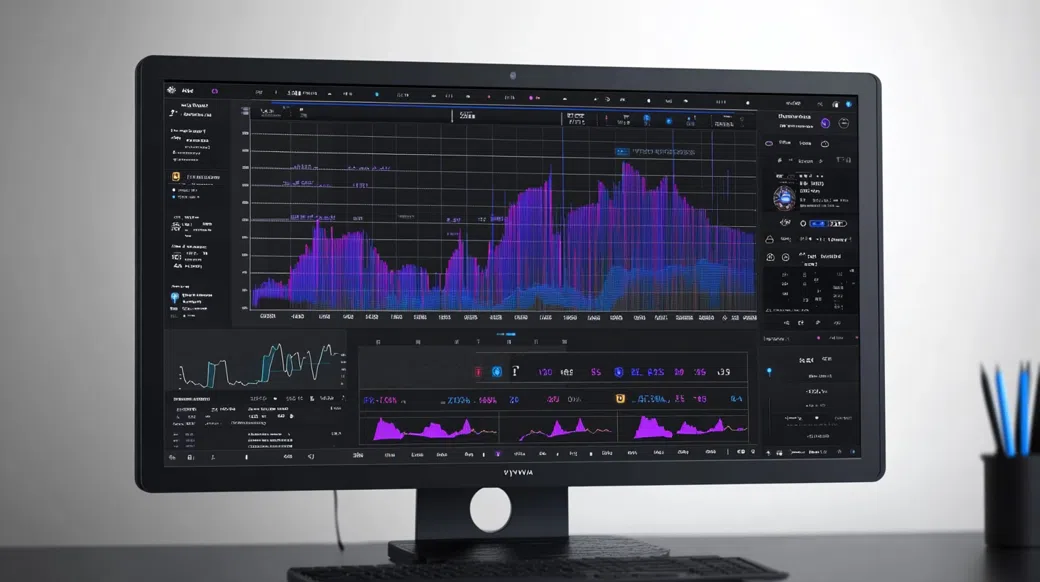
WebTrader was my primary surface area, because I care about what runs in a browser sandbox without extra executables. Login held steady across sessions, charts loaded quickly, and I saw the usual order set: market, limit, stop, plus stop-loss/take-profit attachments. Execution on a small US500 position during the NY open felt consistent, though it’s still a proprietary stack—if you rely on MT4/MT5 EAs, custom indicators, or a deep copy-trading ecosystem, you’ll feel the gap.
PolNexis App: Mobile Trading Experience
The PolNexis app mirrors the WebTrader layout, which makes context-switching less error-prone when you’re managing margin. PolNexis login supported biometric unlock on my device, quotes updated without obvious lag, and one-tap position close worked as expected. Deposits and withdrawals are reachable inside the app, and push alerts for price levels are there, but I wouldn’t run complex multi-chart analysis on a small screen—mobile is for execution and monitoring, not deep research.
Charting, Tools & Research
Tooling is functional rather than “quant-grade”: a built-in economic calendar, a light news feed, watchlists, and common indicators (RSI, MACD, moving averages, Bollinger bands). Drawing tools covered basics (trendlines, fibs), and alerts were adequate for level-based trading. Still, if you’re used to cTrader/MT5 depth—strategy tester workflows, large indicator libraries, or advanced order analytics—this platform tops out earlier.
PolNexis Account Opening & Minimum Deposit
From the signup screens, the flow was minimalist: email, phone, password, then a short suitability/risk step before the dashboard unlocked. KYC required a government photo ID and a proof-of-address document dated within three months; my verification cleared later the same business day after upload. Funding was blocked until identity status flipped to verified, which I prefer because it reduces “deposit first, argue later” friction.
- Minimum Deposit: $200 (this is the PolNexis minimum deposit I was prompted with at checkout)
- Funding Methods: Visa/Mastercard, bank wire, regional e-wallets, and crypto deposits (BTC/USDT were offered)
- Demo Account: $10,000 virtual balance for testing spreads, margin behavior, and order types
- Account Types: Standard (spread-only) and Raw/ECN-style (lower spreads + commission)
One implementation detail I liked: denomination and payment rails are chosen early, so you can anticipate conversion fees before you click “confirm.” If you’re the type who audits everything, you’ll end up reading the fee schedule and withdrawal policy first—start at PolNexis and treat the demo as a staging environment before sending real funds.
PolNexis Customer Support Review
I poked support with a very specific question: how swap rates are calculated on XAU/USD and whether weekend financing is triple-charged on certain instruments. Live chat connected in about 3 minutes, and the agent pointed me to the contract-spec page plus explained the day-count convention in plain language. For a second pass, I opened an email ticket asking about card vs. crypto withdrawal timelines; the reply landed roughly 9 hours later with a method-by-method breakdown and a reminder that KYC must be complete.
Coverage is aligned with the market week: live chat is positioned as 24/5, with email/contact forms running around the clock but answered on business hours. Language support depends on staffing; English was solid, and I saw a few additional languages listed, but don’t assume Korean phone support just because you can trade KRW-converted balances. Phone numbers, where offered, appear region-dependent, and weekends skew toward self-serve FAQs.
Ready to Explore PolNexis?
If you’re considering this broker, start by checking whether your country is accepted, then compare Standard vs. Raw/ECN pricing on the exact instruments you trade. I’d also run a demo to see margin, slippage, and order handling before committing real capital.
Visit PolNexisPolNexis Review FAQ
Is PolNexis good for beginners?
It can be, but only if you keep leverage modest and use the demo first. The interface is not hard to learn, and deposits start at $200, yet the education stack is thinner than what beginner-focused brokers provide. New traders should also understand swaps, margin calls, and negative balance protection limits under offshore setups.
Can I trade crypto on PolNexis?
Yes, crypto is offered as CFDs (for example BTC/USD and ETH/USD). That means you’re trading price exposure with leverage, not withdrawing coins to an on-chain wallet. Watch weekend gaps and financing, which can dominate the P&L for holds longer than a day.
Is PolNexis a scam?
No, my checks didn’t show the classic scam signals like blocked withdrawals or heavy-pressure sales tactics. It operates more like a conventional offshore CFD broker with KYC gates and a functional trading platform. The key nuance is protection level: offshore registration generally offers fewer formal remedies than Tier-1 regulation.
Is PolNexis available in the USA?
No, USA residents are restricted and the broker doesn’t offer accounts there. That’s consistent with many CFD providers because of US regulatory rules around leveraged retail products. If you attempt signup from the US, expect eligibility checks to fail at onboarding or KYC.
How long does a PolNexis withdrawal take?
Most withdrawals are processed internally within 24–48 hours after KYC is complete. Receipt time then depends on the rail: cards typically take 2–5 business days, bank wires around 3–7 business days, while crypto can arrive the same day (network conditions permitting). My test request followed that pattern without extra “verification loops.”
What is the PolNexis minimum deposit?
The minimum deposit is $200. That threshold showed up at the deposit checkout and was consistent across card and crypto funding options I saw. If you’re testing execution, you can also start with the $10,000 demo balance before funding live.
Does PolNexis have a mobile app?
Yes, there are iOS and Android apps, and they cover trading plus basic account management. You can place/close orders, set alerts, and initiate deposits or withdrawals from mobile. For heavy chart work, the WebTrader remains the cleaner option on a large screen.
Final Verdict: Should You Use PolNexis in 2026?
Overall Score: 4.0/5
Security-wise, I’d summarize PolNexis as “usable with guardrails you set yourself”: offshore registration, high leverage up to 1:500, and a platform stack that works but isn’t an MT5 ecosystem clone. Pricing on the Raw/ECN tier (0.2 pips plus $7/round-turn) is attractive if you actually trade enough volume to justify commissions, while Standard is fine for occasional entries. My card-funded test withdrawal cleared processing within the stated window, which matters more than marketing copy. Keep the core rule in mind: CFDs are leveraged, capital is at risk—treat PolNexis like a trading tool, not a bank account.
Best for: active CFD traders who want tight FX pricing and can manage risk with disciplined position sizing. Avoid if: you need Tier-1 regulation, guaranteed compensation schemes, or MT4/MT5-based automation.