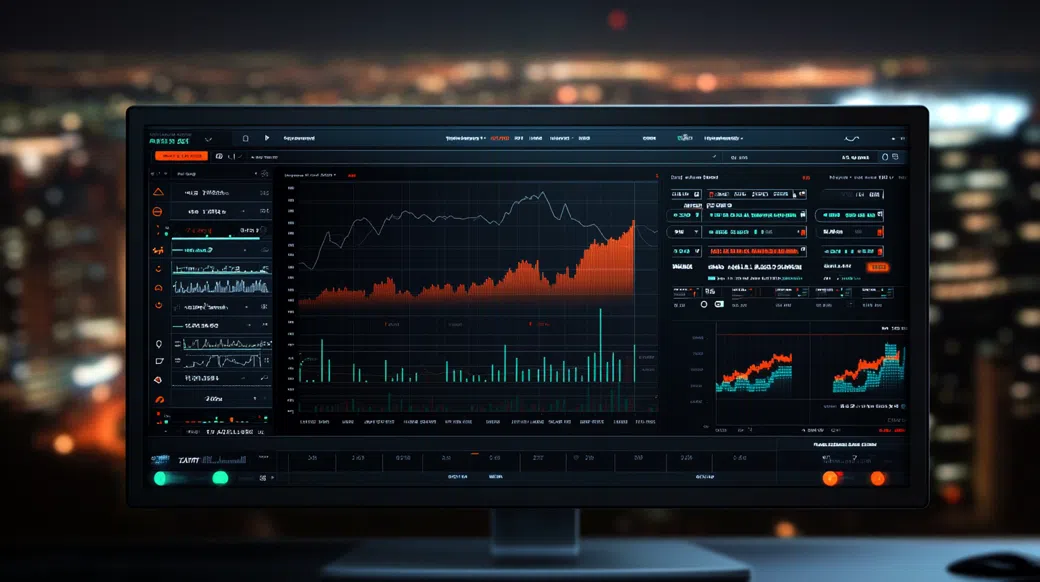
Nourévalise Trading Platform Alternatives 2026: Reliable Options for Online Traders
Code has a smell before a balance sheet does. If a trading venue can’t prove where it sits in the regulatory graph, how client funds are segregated, or what happens during a dispute, everything else—UI polish, leverage banners, “tight spreads”—is noise. Nourévalise appears to fit the offshore CFD-broker pattern: a proprietary WebTrader plus mobile app, a relatively low entry point (commonly around a $250 minimum deposit), and headline leverage that can run high (often advertised near 1:500). For many retail traders, that bundle is convenient. For anyone who treats security as a first-class requirement, it raises immediate questions: who supervises the broker, what legal entity is actually on the other side of your trades, and what recourse exists if withdrawals or pricing become contentious.
This is where Nourévalise alternatives matter. The goal isn’t to “find a broker with higher leverage.” It’s to reduce counterparty risk while improving execution quality, tool depth (MT4/MT5/cTrader vs. basic WebTrader), and product access (real stocks/ETFs vs. stock CFDs). Nourévalise trading platform alternatives 2026 should be filtered like you’d review a dependency: verify the maintainer (regulator), read the changelog (disclosures), and test in a sandbox (small deposit) before you ship real capital. CFDs are leveraged products; small pricing differences and small operational frictions compound fast.
Disclaimer: This article is for informational purposes only and does not constitute investment advice. Trading CFDs and other leveraged products involves a high risk of loss and may not be suitable for all investors.
Key Takeaways (TL;DR)
- If you want real stocks/ETFs (not CFDs), multi-asset venues like Interactive Brokers or Saxo are usually a better fit than offshore CFD-only setups.
- Compare total round-turn cost (spread + commission + swap) rather than headline leverage; over a month of active trading, a 0.8–1.5 pip difference can dominate outcomes.
- Do KYC at the new broker before withdrawing from the old one; AML workflows often require withdrawals to follow the original deposit rails.
What Is Nourévalise and How Does Its Trading Platform Work?
From a trader’s perspective, Nourévalise looks like a CFD-first broker built around forex and index/commodity CFDs, with crypto CFDs commonly present in this category as well. The operating footprint is consistent with offshore registration—often routed through jurisdictions such as the Seychelles FSA—where marketing can be broad but investor-protection mechanisms are thinner than under FCA, ASIC, CySEC, or NFA regimes. The typical target user is a retail trader who wants fast onboarding, a simple web interface, and access to leveraged products without needing a deep multi-asset stack.
Nourévalise Web Trading Platform: Core Features and Tools
The platform layer is usually a proprietary WebTrader paired with iOS/Android apps. Expect functional charting for common workflows (multi-timeframe views, a standard set of indicators, drawing tools like trendlines and Fibonacci), and basic order handling (market, limit, stop, plus take-profit/stop-loss attachments). Where platforms like Nourévalise tend to cap out is tooling depth: fewer conditional orders, limited strategy automation, and a thinner ecosystem compared with MT4/MT5 or cTrader. Mobile parity is typically decent for monitoring and execution, but power features—alerts granularity, advanced ticket options, and detailed execution reporting—may not match top-tier venues.
Trading Fees, Spreads, and Account Types at Nourévalise
Cost structure is commonly spread-led on a Standard-style account, with EUR/USD frequently seen around 2.0 pips in this offshore CFD segment. Some brokers in this category also present a “Raw/ECN-like” tier with tighter quoted spreads (often 0.0–0.4 pips) plus a commission in the ballpark of $6–$8 round-turn, but traders should read the fine print: swaps/overnight financing, withdrawal charges, and inactivity fees can quietly become the real cost center. If you’re benchmarking competitors to Nourévalise, model your expected volume and hold time; scalping and swing trading stress fee lines differently.
When Do Traders Start Looking for Nourévalise Alternatives?
Withdrawal friction is the red flag I treat like a failed unit test: once it appears, I stop adding exposure until the behavior is explained. That’s one reason Nourévalise alternatives come up in trader circles—funds access is non-negotiable. Other triggers are more strategic: needing a regulated dispute process, wanting better execution transparency, or migrating to MT4/MT5/cTrader for automation and tighter control of order behavior. Regulated options vs Nourévalise also tend to offer clearer disclosures around negative balance protection and margin closeout rules, which matters when volatility spikes.
- You need MT4/MT5 or cTrader for an EA/automation workflow, and the current WebTrader doesn’t expose the order types or logs you rely on.
- You want stronger investor-protection scaffolding (segregated client funds, compensation scheme eligibility, formal complaint channels) than offshore frameworks typically provide.
- Frequent trading makes the all-in cost too high—e.g., EUR/USD near 2.0 pips on a Standard account becomes expensive at scale.
- Your strategy depends on consistent execution (slippage control, predictable margin calls), but fills and re-quotes feel noisy during news-driven volatility.
How to Choose a Reliable Alternative to the Nourévalise Trading Platform
Think of broker selection like threat modeling. The first pass reduces existential risk (jurisdiction, custody, insolvency protections). The second pass is fit-to-strategy (markets, execution model, automation). Only after that do you optimize UI comfort and “nice-to-have” features. For alternatives to the Nourévalise trading platform, I’d rather accept a slightly steeper learning curve in exchange for enforceable rules and better operational controls.
Regulation, Safety, and Investor Protection
Start with the regulator and the exact legal entity you’ll sign with: FCA (UK), ASIC (Australia), CySEC (EU), and NFA/CFTC (US) are common anchors. Under FCA oversight, eligible clients may fall under the FSCS compensation scheme (up to £85,000), while CySEC-linked entities can connect to the ICF (up to €20,000). Look for segregated client funds language, negative balance protection disclosures, and clear custody/complaints documentation—those are your safety rails when things go wrong.
Available Markets and Instruments
Map your needs to products, not marketing categories. FX and CFDs cover many strategies, but they don’t replace owning assets: real stocks/ETFs provide shareholder rights and are structurally different from stock CFDs. If you trade options, futures, or bonds, you’ll likely need a multi-asset venue (IBKR or Saxo) rather than a CFD-only shop. Brokers similar to Nourévalise can be fine for forex and index CFDs, but the moment your plan includes portfolio-style holdings, the instrument set must expand.
Trading Costs: Spreads, Commissions, and Other Fees
Price your trading like an engineer: compute round-turn cost (spread + commission) and then add carry (swap/overnight) where applicable. A “from 0.0 pips” quote is meaningless without the commission line and a realistic average spread under live conditions. For active FX traders, dropping from ~2.0 pips to a raw-spread model can materially change break-even thresholds, but only if execution quality is stable and fees (withdrawal/inactivity) don’t claw it back.
Platforms, Tools, and Execution Quality
Platform choice is really an execution and observability choice. MT4/MT5 and cTrader support automation, richer order handling, and a mature indicator ecosystem; proprietary WebTraders vary wildly. Execution model matters too: market maker, STP/ECN, and DMA frameworks each imply different routing and conflict-of-interest profiles. If you’ve been trading on Nourévalise, pay attention to slippage reporting, order rejection rates, and whether the broker publishes meaningful execution disclosures.
Support, Education, and Overall User Experience
Support is part of risk management, not “customer happiness.” Test response time with a technical question (margin closeout rules, corporate actions on CFDs, swap calculation examples). Check business hours against your trading session, and confirm language availability if you need it. Also validate that mobile and web experiences stay consistent—mismatched features between devices are where mistakes happen, especially during fast markets.
Nourévalise and Different Asset Classes: When Alternatives May Be Better
Nourévalise Forex and CFD Trading
Forex/CFDs are likely the core offering: roughly 30–50 FX pairs, a set of index CFDs, 5–10 commodities, and leverage marketed up to about 1:500. That leverage cuts both ways; a small adverse move can trigger a margin call faster than most newcomers model. Cost is the other pressure point—if EUR/USD sits near 2.0 pips on a Standard setup, frequent trading becomes fee-heavy. For traders who care about repeatable execution and lower all-in trading cost, Pepperstone and IC Markets are common regulated substitutes for Nourévalise: both are built around MT4/MT5/cTrader stacks and typically offer raw-style pricing (tight spreads plus commission) that’s easier to reason about when you’re backtesting and sizing risk. The practical difference is less about “cheaper” and more about consistency: fewer surprises in fills, clearer margin policies, and stronger regulatory supervision.
Nourévalise Stock and ETF Trading
If your mental model is “I own the asset,” a CFD-first broker can be a mismatch. Offshore CFD venues often provide stock exposure mainly through stock CFDs (no voting rights, no direct shareholder benefits, financing costs for holds), and broad ETF access may be limited to CFDs as well. That’s where top substitutes for Nourévalise are usually multi-asset brokers: Interactive Brokers is hard to beat for real global equities/ETFs plus options and futures, while Saxo is a strong pick for investors who want a unified custody and trading interface across asset classes. The distinction matters operationally: real shares/ETFs sit in custody accounts; CFDs are bilateral derivative positions with the broker as counterparty. If you’re building a long-horizon portfolio alongside short-term trades, separating “ownership rails” from “leverage rails” can reduce strategy confusion and risk.
Nourévalise Crypto Trading
Crypto access in offshore CFD environments is typically delivered as crypto CFDs—price exposure without on-chain ownership, no withdrawals to a wallet, and no ability to use assets in DeFi or self-custody. That may be acceptable for short-term speculation, but it’s not the same thing as holding spot crypto. If your objective is regulated derivative exposure, IG often provides crypto CFDs (region-dependent) under stricter oversight than offshore shops, and Plus500 also offers crypto CFDs in many jurisdictions with a simplified interface. For a global audience, the key is to read the product label: “CFD” means you’re trading a leveraged derivative where spreads, financing, and platform execution dominate outcomes. If you actually need coins, you’re looking for an exchange and custody model—outside the scope of most CFD brokers and this Nourévalise alternatives list.
Best Nourévalise Alternatives for 2026: Comparison of Top Trading Platforms
Interactive Brokers (IBKR): Key Facts and How It Compares to Nourévalise
Regulation: SEC/FINRA (US), FCA (UK), IIROC (Canada)
Markets: Stocks, ETFs, options, futures, FX, bonds (product set varies by region/entity)
Fees: FX pricing is typically spread + commission (varies by tier/venue); equities are generally commission-based with published schedules
Platform: Trader Workstation (TWS), IBKR Desktop, web, mobile; APIs for automation
Best For: Multi-asset, audit-trail-focused traders
Pepperstone: Key Facts and How It Compares to Nourévalise
Regulation: FCA (UK), ASIC (Australia), CySEC (EU), DFSA (Dubai)
Markets: FX and CFDs (indices, commodities, some crypto CFDs depending on region)
Fees: Typical EUR/USD from ~0.0–0.3 pips on Razor/Raw-style accounts + commission; ~1.0–1.3 pips on Standard (region/entity dependent)
Platform: MT4, MT5, cTrader; mobile and web options
Best For: EA and cTrader automation users
Saxo Bank: Key Facts and How It Compares to Nourévalise
Regulation: FCA (UK), MAS (Singapore), DFSA (Dubai)
Markets: Stocks, ETFs, bonds, options, futures, FX, CFDs
Fees: FX spreads generally from ~0.6 pips (pricing depends on tier); equities/options/futures follow published commissions
Platform: SaxoTraderGO, SaxoTraderPRO
Best For: Portfolio builders who also trade CFDs
IC Markets: Key Facts and How It Compares to Nourévalise
Regulation: ASIC (Australia), CySEC (EU)
Markets: FX and CFDs (indices, commodities, some crypto CFDs depending on region)
Fees: Typical EUR/USD from ~0.0–0.2 pips on Raw + commission; Standard often ~0.8–1.2 pips (varies by entity/platform)
Platform: MT4, MT5, cTrader
Best For: Latency-sensitive scalpers
IG: Key Facts and How It Compares to Nourévalise
Regulation: FCA (UK), ASIC (Australia), MAS (Singapore)
Markets: CFDs across FX, indices, commodities, shares; crypto CFDs in certain regions
Fees: FX spreads often from ~0.6–1.0 pips on major pairs (account type and region dependent); financing applies to holds
Platform: IG proprietary platform; MT4 supported in many regions
Best For: Risk-managed CFD exposure with strong oversight
Forex.com (StoneX): Key Facts and How It Compares to Nourévalise
Regulation: CFTC/NFA (US), FCA (UK), ASIC (Australia)
Markets: FX (US), plus CFDs in certain non-US regions
Fees: Typical pricing via spreads, with lower all-in costs on commission-style tiers; majors often around ~0.8–1.3 pips on standard-style pricing (region dependent)
Platform: Proprietary web/mobile; MT4 available in many regions
Best For: US-eligible FX traders
Comparison Summary
| Platform | Regulation | Main Markets | Typical Costs | Best For |
|---|---|---|---|---|
| Interactive Brokers (IBKR) | SEC/FINRA, FCA, IIROC | Real stocks/ETFs, options, futures, FX, bonds | Venue/tier-based spreads + commissions; published schedules | Multi-asset, audit-trail-focused traders |
| Pepperstone | FCA, ASIC, CySEC, DFSA | FX + CFDs (indices/commodities; some crypto CFDs) | Raw ~0.0–0.3 pips + commission; Standard ~1.0–1.3 pips | EA and cTrader automation users |
| Saxo Bank | FCA, MAS, DFSA | Stocks/ETFs + derivatives + FX/CFDs | FX often ~0.6+ pips by tier; commissions on exchange products | Portfolio builders who also trade CFDs |
| IC Markets | ASIC, CySEC | FX + CFDs (indices/commodities; some crypto CFDs) | Raw ~0.0–0.2 pips + commission; Standard ~0.8–1.2 pips | Latency-sensitive scalpers |
| IG | FCA, ASIC, MAS | CFDs across FX/indices/commodities/shares; some crypto CFDs | Majors often ~0.6–1.0 pips; financing for overnight holds | Risk-managed CFD exposure with strong oversight |
| Forex.com (StoneX) | CFTC/NFA, FCA, ASIC | FX (US) + CFDs in some non-US regions | Spread-led tiers ~0.8–1.3 pips on majors; commission tiers available | US-eligible FX traders |
How to Safely Move from Nourévalise to Another Broker
Switching brokers is an operational change, not a vibe shift. Treat it like migrating infrastructure: verify the new endpoint, stage the rollout, and keep rollback options until settlement clears. Most mistakes happen in the handoff—closing positions under time pressure, misunderstanding AML withdrawal routes, or re-deploying size before you’ve observed real spreads and slippage. If you’re moving away from Nourévalise, reduce exposure first; leveraged CFDs can punish impatience.
- Confirm the new broker’s entity on the regulator’s public register (FCA Register, ASIC Connect, CySEC registry, or NFA BASIC) and make sure the website domain matches the registered firm.
- Create the new account and complete KYC/AML (ID + proof of address) before you initiate any closure steps; failed verification can strand your timeline.
- Export trade history, statements, and funding records for your own bookkeeping and taxes; don’t rely on dashboards staying available after you go inactive.
- Flatten open positions on the old account rather than assuming transfers; re-enter trades on the new venue only after you’ve checked contract specs and margin requirements.
- Withdraw using the same payment rail you used to deposit whenever possible; many brokers enforce this to satisfy anti-money-laundering rules and chargebacks risk controls.
Ready to Explore Nourévalise?
If you’re still evaluating, review the current onboarding flow, product list, and trading conditions for your region, then compare them against the regulated platforms in this guide. I’d also sanity-check the platform stack—especially execution reporting and risk controls—before committing meaningful capital.
Visit NourévaliseFAQ: Nourévalise Alternatives and Trading Platforms
What is the best alternative to Nourévalise in 2026?
The best alternative depends on whether you need real multi-asset access or mainly FX/CFDs. For broad, real-market coverage (stocks/ETFs/options/futures plus FX), Interactive Brokers or Saxo Bank are strong picks. If your priority is FX execution with MT4/MT5/cTrader, Pepperstone and IC Markets are closer matches to platforms like Nourévalise but under tier-1 regulatory umbrellas.
Is Nourévalise a safe broker/platform?
Safety hinges on regulation, client-fund segregation, and enforceable dispute resolution, and Nourévalise appears consistent with an offshore setup often associated with jurisdictions such as the Seychelles FSA. That framework typically offers fewer investor-protection mechanisms than FCA/CySEC/ASIC/NFA regimes. If you use it anyway, keep position sizing conservative and treat withdrawals and documentation as part of your risk controls.
Can I trade stocks, futures, or crypto with Nourévalise?
With offshore CFD brokers, forex and index/commodity CFDs are usually the core, while stocks/ETFs are often offered as CFDs rather than real shares, and futures are commonly not offered as exchange-traded products. Crypto exposure, when present, is typically via crypto CFDs (price exposure, not wallet withdrawals). If you need real stocks/ETFs or listed futures, Interactive Brokers and Saxo are better-aligned Nourévalise alternatives.
What should I check before switching from Nourévalise to another platform?
Before switching, verify the new broker’s exact legal entity on the regulator’s register and confirm protections like segregated client funds and negative balance protection where applicable. Next, compare round-turn trading costs (spread + commission) and review swap/overnight financing for your holding period. Finally, test execution quality with a small deposit and confirm the platform stack (MT4/MT5/cTrader vs proprietary) matches your strategy and tooling.
About the Author: Samuel White is a Seoul-based smart contract developer who approaches brokers the way he approaches production code: verify the trust boundary, read the disclosures, and test failure cases. He writes about market structure, execution quality, and practical risk controls for traders who care more about reliability than hype.