Noble Mercaholm Trading Platform Alternatives 2026: Reliable Options for Online Traders
Security failures rarely announce themselves with a headline. They show up as a stuck withdrawal, a widened spread at the worst tick, or a support inbox that suddenly goes quiet. That’s the mental model I use when evaluating brokers: assume your future self will need a clean audit trail, predictable execution, and a regulator who can actually pick up the phone. In that frame, Noble Mercaholm looks like a typical offshore CFD venue: a proprietary WebTrader plus mobile app, high leverage (commonly marketed around 1:500), and a low barrier to entry (often around a $250 minimum deposit). Forex and CFD products are usually the center of gravity, with crypto exposure typically delivered via CFDs rather than on-chain ownership.
So why compile Noble Mercaholm alternatives for 2026? Because the risk surface differs dramatically between offshore frameworks and top-tier regulated brokers. Execution model transparency, segregated client funds, negative balance protection, and investor-compensation schemes aren’t “nice-to-haves” when your capital is real and your counterparty risk is non-zero. If you’re US/EU-focused, the practical issue is also eligibility: US residents are frequently restricted from offshore CFD providers, and EU/UK clients may prefer firms supervised by regulators like the FCA, CySEC, or ASIC. This guide prioritizes verifiable oversight, platform reliability, and the boring stuff that prevents expensive surprises.
Disclaimer: This article is for informational purposes only and does not constitute investment advice. CFDs and other leveraged products carry a high risk of loss and may not be suitable for all investors.
Key Takeaways (TL;DR)
- If you need real stocks/ETFs (not CFDs), start with multi-asset brokers like Interactive Brokers or Saxo Bank rather than a CFD-first WebTrader.
- Cost comparisons should be done in “round-turn” terms (spread + commission + swap), not by headline leverage or “from 0.0 pips” marketing.
- Before moving funds, open and KYC-verify the new account first; then withdraw using the same payment rail used for deposits to avoid AML friction.
What Is Noble Mercaholm and How Does Its Trading Platform Work?
From a trader’s perspective, Noble Mercaholm fits the offshore CFD-broker template: a platform centered on forex and CFDs, typically offering a few dozen FX pairs, a small set of indices and commodities, and a crypto CFD list that’s broad enough for retail demand but not structured like an exchange. Publicly, firms in this segment commonly operate under an offshore framework such as the Seychelles FSA, with limited investor-protection backstops compared with the FCA or NFA. The target user is usually an active retail trader who wants a quick signup, a simple interface, and high leverage—often up to 1:500—rather than a deep multi-asset stack or institutional-grade reporting.
Noble Mercaholm Web Trading Platform: Core Features and Tools
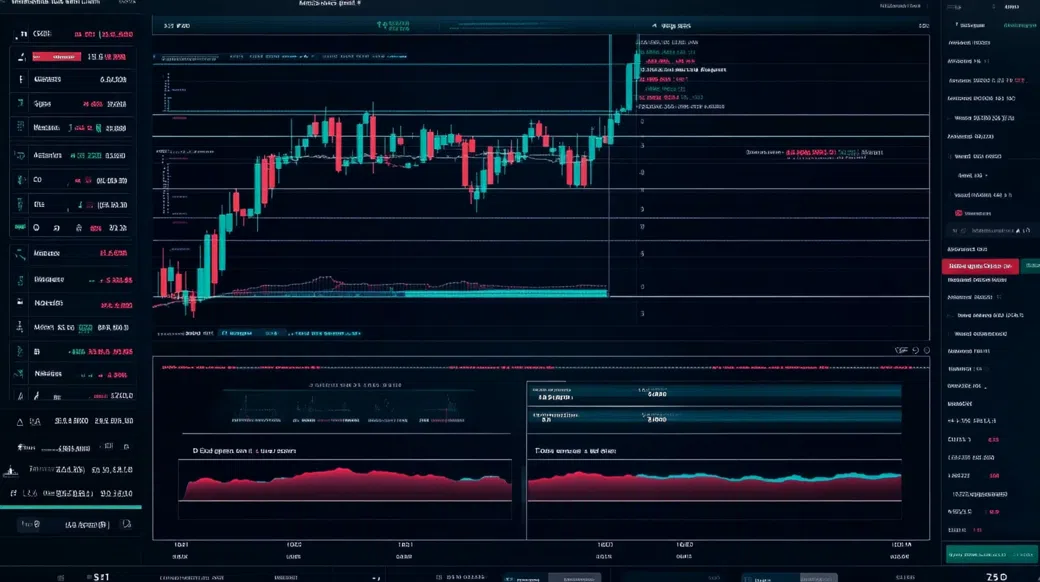
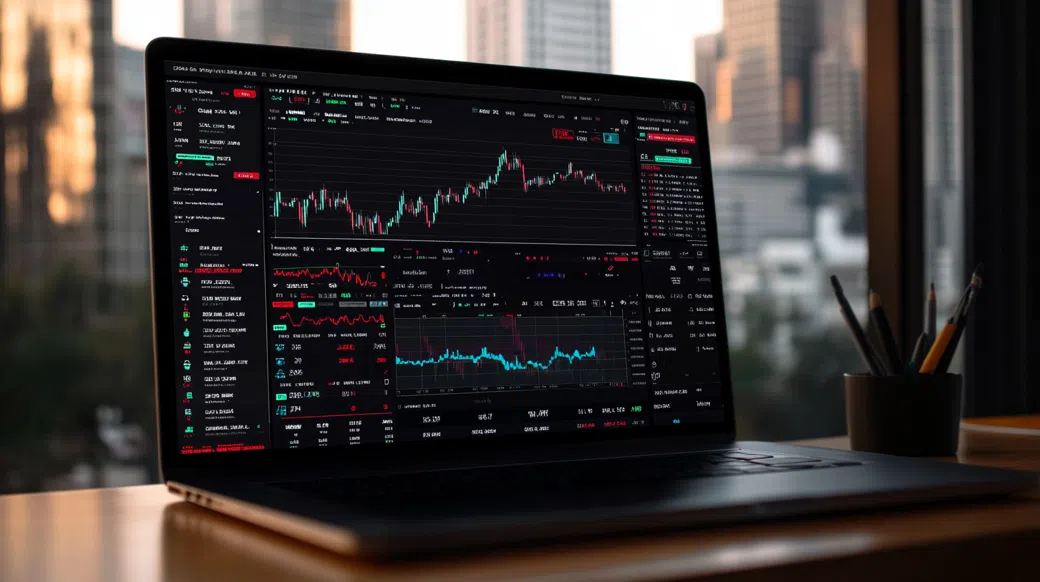
The proprietary WebTrader experience is usually “good enough” for discretionary CFD trading: basic-to-mid charting, standard indicators, drawing tools, and one-click trading that feels responsive in normal market conditions. Order handling tends to focus on market/limit/stop with attached SL/TP, plus a clean account dashboard for margin, equity, and open P&L. Mobile apps on iOS/Android typically mirror the WebTrader layout, which helps for monitoring positions, but parity gaps can show up in advanced chart layouts, alerts, and multi-window workflows. Compared with platforms like Noble Mercaholm in the same offshore lane, the biggest practical limitation is often tooling depth: strategy automation, advanced routing, and detailed execution analytics are not always first-class features.
Trading Fees, Spreads, and Account Types at Noble Mercaholm
Cost structure in this category usually revolves around a spread-first “Standard” account. For EUR/USD, a common observed level is around 2.0 pips on the standard tier, with a higher-leverage pitch offset by wider all-in trading costs. Some brokers in the segment advertise a tighter “Raw/ECN-style” option (often 0.0–0.4 pips plus roughly $5–$8 round-turn commission), but the fine print matters: swaps/overnight financing, potential withdrawal charges, and inactivity policies can dominate the real cost if you hold positions or pause trading. If you’re benchmarking competitors to Noble Mercaholm, treat every fee line item as part of the threat model: costs are predictable; surprises are not.
When Do Traders Start Looking for Noble Mercaholm Alternatives?
One red flag tends to trigger the search for Noble Mercaholm alternatives: you realize your broker risk is bigger than your market risk. That can happen when you want regulator-backed safeguards, when your strategy needs tighter execution statistics, or when deposit/withdrawal mechanics feel opaque. High leverage (like 1:500) can look attractive, but it also compresses your error budget—one gap, one slippage event, and your margin call arrives faster than your monitoring can respond. For US/EU traders in particular, “Can I verify the license and protections?” becomes a more urgent question than “Can I open an account today?”
- You need MT4/MT5 or cTrader for automation, EAs, or repeatable execution workflows, and a proprietary WebTrader can’t support your tooling.
- Your trading journal shows spread expansion and slippage around news releases that materially changes your expectancy on short-horizon strategies.
- You want a broker where segregated client funds and negative balance protection are policy, not marketing.
- Withdrawals require repeated back-and-forth or “extra verification” even after you’ve completed KYC/AML checks.
How to Choose a Reliable Alternative to the Noble Mercaholm Trading Platform
I approach broker selection like reviewing a smart contract dependency: verify provenance, constrain permissions, and assume edge cases happen. The goal isn’t perfection; it’s reducing avoidable failure modes. For alternatives to the Noble Mercaholm trading platform, start by aligning the broker to your product needs (CFDs vs real assets), then validate regulatory coverage, then measure total cost of trade under your strategy’s holding time and frequency.
Regulation, Safety, and Investor Protection
Regulation is not a vibe check; it’s a jurisdiction, a rulebook, and a complaint channel. For UK/EU users, the FCA and CySEC frameworks commonly require segregated client funds and risk disclosures; the UK’s FSCS can provide coverage up to £85,000 in certain cases, while Cyprus’ ICF can cover up to €20,000 subject to eligibility. ASIC oversight is also a meaningful marker for conduct and compliance. For US residents, NFA/CFTC regulation is the relevant gatekeeper for retail FX. If a broker can’t be verified on the public register, treat that as a hard stop.
Available Markets and Instruments
Ask a blunt question: do you need ownership, or is exposure enough? Many brokers similar to Noble Mercaholm focus on FX and index/commodity CFDs, which can be fine for hedging or short-term positioning. If your plan includes real stocks and ETFs (with shareholder rights and standard custody), you’ll want a true multi-asset venue. Options and futures are an entirely different tier of infrastructure and reporting; don’t assume they exist because a platform shows a “Markets” tab.
Trading Costs: Spreads, Commissions, and Other Fees
“From 0.0 pips” is meaningless without the commission and typical fill quality. Compare round-turn cost: spread + commission + expected slippage, then add swap/overnight financing if you hold past rollover. Inactivity charges and withdrawal fees can quietly turn a low-frequency account into a fee generator. A practical test: estimate your monthly lots traded and convert pips and commissions into dollars; that number is easier to reason about than marketing tiers.
Platforms, Tools, and Execution Quality
Platform choice is a strategy decision. MT4/MT5 are common for EAs and indicator ecosystems; cTrader is often preferred for depth-of-market and modern execution UX; proprietary platforms range from excellent to fragile. Execution model matters too: a market maker can internalize flow; STP/ECN/DMA routes can change how you experience slippage and re-quotes. If you’re migrating away from Noble Mercaholm, log your fill stats (requested vs filled price) so you can compare like-for-like after the move.
Support, Education, and Overall User Experience
Support quality becomes visible only when something breaks. Look for 24/5 coverage aligned with FX hours, clear escalation paths, and documented policies for disputes, chargebacks, and withdrawals. Education matters less than many brokers claim, but platform documentation matters a lot—especially if you automate. Mobile parity is another litmus test: if the app can’t manage risk controls cleanly (SL/TP edits, margin view, alerts), you’re trading with a blindfold during volatility.
Noble Mercaholm and Different Asset Classes: When Alternatives May Be Better
Noble Mercaholm Forex and CFD Trading
Forex and CFDs are the natural habitat for Noble Mercaholm-style venues: roughly 30–50 FX pairs, a handful of indices (often 8–15), and a small commodities shelf (usually 5–10). The trade-off is that the “all-in” cost can be higher—think EUR/USD around 2.0 pips on standard pricing—and the leverage ceiling (often 1:500) increases tail risk when spreads widen or liquidity thins. Regulated FX/CFD specialists like Pepperstone and OANDA typically offer tighter pricing models and stronger transparency around execution, with platform choices (MT4/MT5/cTrader or robust proprietary tools) that make it easier to measure slippage and manage risk systematically.
Noble Mercaholm Stock and ETF Trading
Here’s where many offshore CFD-first brokers diverge from what US/EU investors actually want. Stock and ETF exposure is frequently delivered as CFDs (no shareholder rights, no direct voting, and different tax/reporting realities), or it’s simply not a core feature. If your requirement is real market access—owning US/EU-listed equities and ETFs in a custody framework—multi-asset brokers like Interactive Brokers and Saxo Bank are built for that. They also tend to provide more complete reporting, corporate action handling, and order routing options (including DMA on many venues), which matters if you care about reproducibility more than “one-click” simplicity.
Noble Mercaholm Crypto Trading
Crypto on many CFD platforms is exposure, not ownership. A crypto CFD tracks price, but you don’t withdraw coins to a wallet, you don’t sign transactions, and you don’t control private keys. That’s not automatically bad—CFDs can be useful for hedging or short-term directional views—but it should be labeled correctly in your mental model. For regulated options in this lane, brokers like IG and Plus500 commonly provide crypto CFDs (subject to region and rules), with clearer risk frameworks than offshore venues. If you specifically need on-chain custody, that’s usually a separate venue category entirely from CFD brokers.
Best Noble Mercaholm Alternatives for 2026: Comparison of Top Trading Platforms
Interactive Brokers (IBKR): Key Facts and How It Compares to Noble Mercaholm
Regulation: SEC/FINRA (US), FCA (UK), IIROC (Canada)
Markets: Stocks, ETFs, options, futures, bonds, FX
Fees: FX pricing varies by venue/structure; typically competitive for active traders; commissions apply on many products (varies by region and routing)
Platform: Trader Workstation (TWS), IBKR Desktop, mobile, APIs
Best For: Real multi-asset access and API-driven workflows
Pepperstone: Key Facts and How It Compares to Noble Mercaholm
Regulation: FCA (UK), ASIC (Australia), CySEC (Cyprus), DFSA (Dubai)
Markets: FX and CFDs (indices, commodities, some crypto CFDs depending on region)
Fees: EUR/USD from ~0.0–0.3 pips on Razor/Raw-style pricing + commission; ~1.0+ pip typical on Standard accounts (varies by entity)
Platform: MT4, MT5, cTrader, TradingView integration (region-dependent)
Best For: Low-latency FX execution for scalpers and EA users
Saxo Bank: Key Facts and How It Compares to Noble Mercaholm
Regulation: FCA (UK), MAS (Singapore), DFSA (Dubai)
Markets: Stocks, ETFs, bonds, options, futures, FX, CFDs
Fees: Spreads and commissions vary by product; generally tighter at higher tiers; financing/swap costs apply on leveraged products
Platform: SaxoTraderGO, SaxoTraderPRO
Best For: Portfolio-style trading across global exchanges
OANDA: Key Facts and How It Compares to Noble Mercaholm
Regulation: CFTC/NFA (US), FCA (UK), ASIC (Australia), IIROC (Canada)
Markets: FX (and CFDs in some regions; product set varies by jurisdiction)
Fees: Typically spread-based pricing; EUR/USD often around ~0.6–1.2 pips in liquid hours (varies); swap/financing applies
Platform: OANDA web/mobile, MT4 (availability varies)
Best For: US-eligible retail FX with strong regulatory footing
IG: Key Facts and How It Compares to Noble Mercaholm
Regulation: FCA (UK), ASIC (Australia), MAS (Singapore)
Markets: CFDs (indices, FX, commodities, shares), spread betting (UK/IE), some stock dealing (region-dependent)
Fees: Costs vary by market; spreads often competitive on major FX; financing/swap applies on leveraged positions
Platform: IG web platform, mobile, MT4 (region-dependent)
Best For: Broad CFD coverage with strong research and risk tools
Plus500: Key Facts and How It Compares to Noble Mercaholm
Regulation: FCA (UK), CySEC (Cyprus), ASIC (Australia), MAS (Singapore)
Markets: CFDs (FX, indices, commodities, shares, crypto CFDs where permitted)
Fees: Primarily spread-based; typical major-FX spreads often around ~0.6–1.5 pips depending on conditions; overnight fees apply
Platform: Plus500 proprietary WebTrader and mobile app
Best For: Simple CFD interface for discretionary traders
Comparison Summary
| Platform | Regulation | Main Markets | Typical Costs | Best For |
|---|---|---|---|---|
| Interactive Brokers (IBKR) | SEC/FINRA, FCA, IIROC | Real stocks/ETFs, options, futures, bonds, FX | Product-based commissions; FX pricing varies by structure; generally sharp for active traders | Real multi-asset access and API-driven workflows |
| Pepperstone | FCA, ASIC, CySEC, DFSA | FX + CFDs | Raw: ~0.0–0.3 pip + commission; Standard: ~1.0+ pip; swap applies | Low-latency FX execution for scalpers and EA users |
| Saxo Bank | FCA, MAS, DFSA | Stocks/ETFs + derivatives + FX/CFDs | Tiered spreads/commissions; financing on leveraged products | Portfolio-style trading across global exchanges |
| OANDA | CFTC/NFA, FCA, ASIC, IIROC | FX (plus CFDs in some regions) | Mostly spread-based; EUR/USD often ~0.6–1.2 pips in liquid hours; swap applies | US-eligible retail FX with strong regulatory footing |
| IG | FCA, ASIC, MAS | CFDs; spread betting (UK/IE); some investing (region-dependent) | Market-dependent spreads; financing/swap on leveraged positions | Broad CFD coverage with strong research and risk tools |
| Plus500 | FCA, CySEC, ASIC, MAS | CFDs across major asset classes | Spread-based pricing; overnight fees; variable spreads in volatility | Simple CFD interface for discretionary traders |
How to Safely Move from Noble Mercaholm to Another Broker
Migration is not a single click; it’s a sequence with failure points. Treat it like deploying a contract upgrade: verify the new environment first, snapshot the old state, then move value in controlled increments. If you’re leaving an offshore CFD venue, keep in mind that leverage magnifies operational mistakes too—mis-sized positions and margin settings can do damage even when the market is calm. The steps below keep your exposure bounded while you transition away from Noble Mercaholm.
- Confirm the new broker’s license on the regulator’s public register (FCA Register, ASIC Connect, CySEC listing, or NFA BASIC) and match the legal entity name to the account-opening paperwork.
- Create the new account and complete KYC/AML early (ID + proof of address). Many delays happen here, not at the trading stage.
- Export your trading history, statements, and funding records from the old platform before you change anything; you’ll want them for reconciliation and taxes.
- Flatten open positions on the old broker and re-enter on the new one if needed. Don’t plan on “porting” CFD positions between brokers as if they were on-chain.
- Withdraw funds using the same payment method you used to deposit (a common AML constraint). Take screenshots/receipts and track timestamps in case you need to escalate.
Ready to Explore Noble Mercaholm?
If you’re still evaluating platforms like Noble Mercaholm, check the current onboarding flow, product list, and regional eligibility before committing funds. Compare spreads, swaps, and execution tooling against the regulated options above, then decide what fits your risk budget—not just your interface preference.
Visit Noble MercaholmFAQ: Noble Mercaholm Alternatives and Trading Platforms
What is the best alternative to Noble Mercaholm in 2026?
The best option depends on whether you need real assets or CFD exposure. For real stocks/ETFs plus advanced tooling, Interactive Brokers or Saxo Bank are hard to beat; for FX/CFD execution with MT4/MT5/cTrader, Pepperstone is often a clean step up. For US residents focused on retail FX under strong oversight, OANDA is a practical short list candidate.
Is Noble Mercaholm a safe broker/platform?
Noble Mercaholm appears consistent with an offshore/unregulated setup (commonly seen under frameworks such as the Seychelles FSA), which generally offers fewer investor protections than FCA/NFA-regulated firms. That doesn’t automatically mean you will have a bad experience, but it does mean your fallback options in a dispute can be weaker. If safety is the priority, prioritize brokers with verifiable top-tier regulation, segregated client funds, and clear negative balance protection.
Can I trade stocks, futures, or crypto with Noble Mercaholm?
On platforms in this category, forex and CFDs are usually the core, while stocks/ETFs are often CFDs rather than real ownership, and futures access is typically not a primary offering. Crypto exposure is commonly offered as crypto CFDs, meaning you don’t withdraw coins to a wallet or control private keys. If you need real stocks/ETFs or exchange-traded futures, brokers like Interactive Brokers or Saxo Bank are more aligned with that requirement.
What should I check before switching from Noble Mercaholm to another platform?
Verify regulation on the official register first, then confirm the exact legal entity you’re onboarding with (names can be deceptively similar). Next, compare round-turn trading costs (spread + commission + swap) and verify platform compatibility with your workflow (MT4/MT5/cTrader/API vs proprietary). Finally, test deposits/withdrawals with a small amount before scaling, and document your full history from the old broker for reconciliation.
About the Author: Samuel White is a Seoul-based smart contract developer who approaches trading infrastructure the way he approaches code: verify inputs, reduce attack surface, and prefer systems with observable guarantees. He focuses on execution quality, platform security signals, and regulator-verifiable oversight rather than narratives and hype.