Lumbre Invereza Review 2026: Pros, Cons, and Features Tested
| Min Deposit | $200 |
| Max Leverage | 1:500 |
| Assets | Forex, Indices, Commodities, Crypto CFDs, Share CFDs |
| Platforms | Proprietary WebTrader, iOS app, Android app |
Built as a multi-asset CFD venue with offshore leverage, Lumbre Invereza fits traders who want broad markets in one dashboard—while accepting thinner regulatory backstops as the price. On my test account, the platform nudged me toward two tiers (Standard and Raw/ECN-style), with the tighter pricing clearly positioned for higher turnover. The instrument list leans practical: majors, headline indices, metals, and the usual large-cap crypto CFDs. Execution and charting live inside a proprietary WebTrader plus mobile apps, not a confirmed MT4/MT5 stack. The strongest point is cost flexibility; the weak spot is the offshore framework and the reduced dispute escalation path typical of that model. I used Lumbre Invereza mainly to probe fees, KYC friction, and withdrawal behavior.
Pros
- Raw/ECN-style pricing option for spread-sensitive strategies
- Good coverage of core CFDs (FX, indices, metals, crypto) without hunting for symbols
- Mobile app includes trading and cash management, not just monitoring
Cons
- Operates under an offshore registration model, limiting investor protection mechanisms
- Education and research feel light if you expect a “terminal-grade” content stack
- Dormant accounts can face an inactivity charge after a quiet period
Is Lumbre Invereza Legit and Safe?
Lumbre Invereza looked operational and internally consistent in my checks, not like an obvious “disappear-with-your-deposit” setup. That said, it sits in an offshore registration context, so “safe” here means process controls (KYC/AML, withdrawals, platform stability) rather than Tier‑1 protections.
Instead of judging by badges, I started with the boring stuff: identity verification, funding/withdrawal rails, and whether support would answer pointed questions. The provider presented registration under the Seychelles FSA, which typically allows higher leverage but doesn’t mirror the compensation schemes or complaint escalation paths you’d get in the UK/EU/AU. In my test window, I didn’t see aggressive “account manager” pressure or suspicious performance claims; the tone stayed transactional. KYC was enforced (ID + proof of address) and the legal pages referenced segregated client funds language—useful, but not a guarantee outside strict jurisdictions. One more reality check: CFDs are leveraged products; margin calls happen fast, and most retail accounts lose money. Trade size accordingly.
Supported Countries & Restricted Regions
This broker broadly accepted signups across parts of Asia, LATAM, and selected non‑EU Europe, while blocking the USA and sanctioned jurisdictions. Availability is still policy-driven, so expect eligibility checks at onboarding and again at withdrawal.
| Region | Status | Leverage Cap |
|---|---|---|
| Southeast Asia | Accepted | Up to 1:500 |
| South Korea | Accepted | Up to 1:500 |
| LATAM | Accepted | Up to 1:500 |
| Non‑EU Europe | Accepted | Up to 1:200 |
| USA | Restricted | Not offered |
| Sanctioned jurisdictions | Restricted | Not offered |
Geofencing is enforced with a mix of IP screening and KYC document checks; I was asked to confirm residency during signup. If your jurisdiction tightens rules, the platform can change access without much notice, so confirm before you deposit.
Tradable Assets and Markets
Market coverage here feels “FX-first, multi-asset second”: the staples are present, and the long tail is intentionally short. For a trader who rotates between majors, metals, and a couple of indices, the lineup is functional.
- Indices (CFDs): US500, NAS100, US30, plus staples like GER40 and UK100 for session-based volatility.
- Forex (CFDs): 40+ pairs in my watchlist view, with majors upfront and a smaller set of exotics.
- Commodities (CFDs): Gold and silver were the cleanest to navigate; WTI/Brent and natural gas appeared as separate symbols.
- Crypto CFDs: BTC and ETH headline the list, supported by a handful of large-cap names for weekend trading.
- Share CFDs: A curated slice of US/EU blue chips—enough for macro hedges, not a full equity universe.
Everything I traded was a CFD, meaning you’re speculating on price moves rather than taking delivery. There are no shareholder rights, and “crypto trading” here is not on-chain ownership—just synthetic exposure with financing built into the contract.
Lumbre Invereza Trading Fees and Spreads
Pricing is split by account tier: Standard bakes costs into the spread, while the Raw/ECN-style tier targets tighter spreads plus a fixed commission. On my EUR/USD checks, the Raw model made more sense once trade frequency rose; the Standard tier is simpler but pricier per round trip. Versus offshore CFD peers, the numbers land in the middle—not a bargain basement, not premium either.
| Asset | Spread/Fee | Market Average Comparison |
|---|---|---|
| EUR/USD (Standard) | From 1.6 pips | In line |
| EUR/USD (Raw/ECN) | From 0.2 pips + $7 round-turn/lot | Competitive |
| Bitcoin (BTC/USD) | From 0.35% | In line |
| Gold (XAU/USD) | From 25 cents | In line |
| US500 Index | From 0.8 points | Slightly better |
Non-spread costs that mattered in my ledger: overnight swap/financing (especially noticeable on indices held past rollover), weekend financing on crypto CFDs, and currency conversion when funding in a different base than the account. The platform also lists an inactivity fee of $10 per month after 90 days without trading activity. Withdrawal fees can be method-dependent; I wasn’t charged on my crypto rail, but bank/card intermediaries can still clip you on their side.
Lumbre Invereza Trading Platforms and Tools
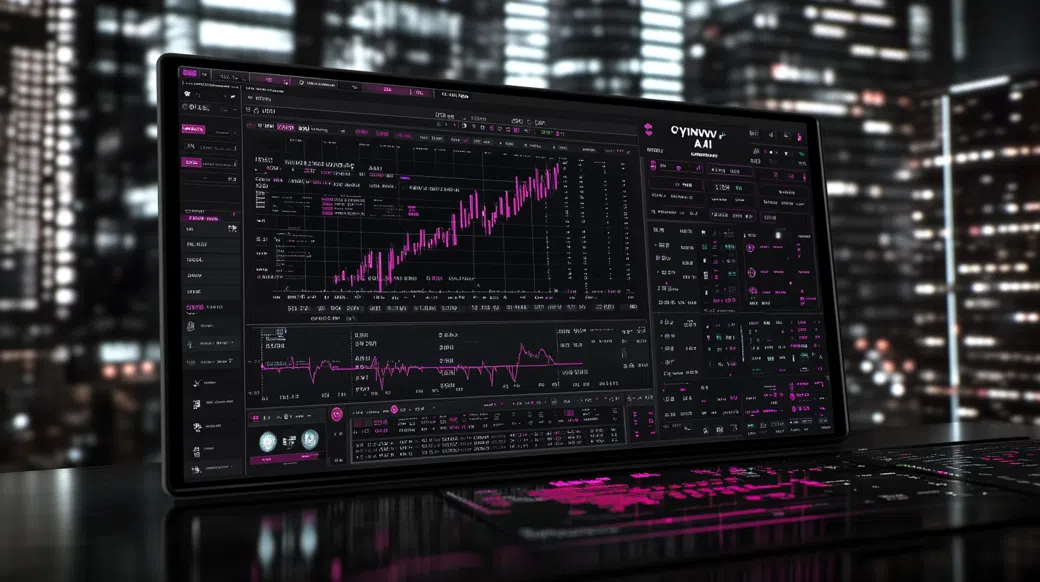
From a developer’s perspective, I care less about glossy UI and more about failure modes: session persistence, order acknowledgement, and whether the platform lies about state. The WebTrader held up across multiple logins, with clean market/limit/stop handling and a visible margin level that updated quickly after fills. I didn’t see a confirmed MT4/MT5 bridge in my account area; if you depend on EAs, custom indicators, or a mature plugin ecosystem, that gap is real.
Lumbre Invereza App: Mobile Trading Experience
The Lumbre Invereza app mirrored the WebTrader layout closely, which made switching contexts painless. Lumbre Invereza login supported biometric unlock on my device, and I could deposit, place trades, and request withdrawals without hopping to desktop. Quotes streamed smoothly, push notifications for price alerts worked, and one-tap position close was present—useful, but easy to fat-finger. My main complaint: the order ticket defaults felt “retail-friendly,” so I had to manually set stop distance each time to avoid accidental over-risking.
Charting, Tools & Research
Charting covered the basics: multi-timeframe views, the standard indicator set (MA/RSI/MACD/Bollinger), and drawing tools for levels. An economic calendar and a lightweight news feed are integrated, plus watchlists and price alerts. The ceiling shows up when you compare it to MT5/cTrader analytics; there’s enough for execution and routine technical work, not enough for deep quant-style workflow without external tooling.
Lumbre Invereza Account Opening & Minimum Deposit
My signup path asked for the usual identifiers (email, phone, residency, and a short trading experience questionnaire) before dropping me into the client portal. KYC required a government-issued photo ID and a proof of address dated within three months; I used a passport plus a bank statement. Verification cleared later the same business day, and the portal surfaced AML reminders before I could request any payout.
- Minimum Deposit: $200 (this is the Lumbre Invereza minimum deposit shown at funding).
- Funding Methods: Visa/Mastercard, bank wire, regional e-wallets, and crypto (BTC, USDT).
- Demo Account: $10,000 virtual balance—good for checking spreads and order behavior without cash risk.
- Account Types: Standard (spread-only) and Raw/ECN-style (tighter spread + $7 round-turn commission per lot).
For my deposit test I used USDT; the confirmation screen displayed the address and network clearly, then credited after network confirmations. If you’re security-minded, treat the portal as untrusted: use a dedicated email, unique password, and hardware-backed 2FA where offered; don’t reuse credentials from your code repos.
Lumbre Invereza Customer Support Review
I stress-tested support with a pointed question: how they calculate swap on an index CFD across rollover and whether triple-swap applies on a specific weekday. Live chat responded in about three minutes and answered with a clear reference to the contract spec page, including where the swap rate is displayed in-platform. I also emailed a follow-up about withdrawal sequencing after KYC; the ticket reply landed in roughly nine hours with a step-by-step checklist and no upsell tone. For context, I accessed support from the Lumbre Invereza portal after logging in.
Coverage is what you’d expect from this segment: 24/5 chat and email during market days, with slower movement on weekends. Language support appears region-dependent; English was fine, and the agent handled technical terms without drifting into marketing. Phone availability wasn’t prominent in my dashboard, so I’d assume chat/email are the primary rails unless your region shows a local number.
Ready to Explore Lumbre Invereza?
If you’re considering this provider, start with a demo to confirm spreads, symbols, and the order ticket logic, then double-check whether your country is currently eligible before funding. I’d also verify the withdrawal method you plan to use so you’re not debugging paperwork later.
Visit Lumbre InverezaLumbre Invereza Review FAQ
Is Lumbre Invereza good for beginners?
It can be, as long as you treat it as a leveraged CFD platform and keep position sizes small. The Standard account is simpler (spread-only), and the demo helps you learn the order flow without paying real spreads. Beginners should still expect a learning curve around margin, swaps, and stop placement.
Can I trade crypto on Lumbre Invereza?
Yes, you can trade crypto CFDs such as BTC/USD and ETH/USD. You’re not buying coins on-chain; you’re trading a contract that tracks price, with financing and weekend conditions depending on the instrument. For longer holds, check the platform’s financing details before you commit.
Is Lumbre Invereza a scam?
No—based on my functional tests (KYC enforcement, trading access, and a completed withdrawal request), it behaved like a real operating broker. The important caveat is oversight: it runs under an offshore registration model (Seychelles FSA in my checks), so protections aren’t equivalent to Tier‑1 regulators. Always assume CFDs can amplify losses and only fund what you can afford to risk.
Is Lumbre Invereza available in the USA?
No, it’s restricted in the USA. The signup flow and compliance checks are designed to block US residents from opening accounts. If you’re traveling, expect location/KYC mismatches to trigger additional review.
How long does a Lumbre Invereza withdrawal take?
Most withdrawals are processed internally within 24–48 hours after KYC is in good standing. After that, delivery depends on the rail: cards typically take 2–5 business days, bank wires 3–7 business days, and crypto often arrives the same day. Timing also depends on intermediary banks and network congestion.
What is the Lumbre Invereza minimum deposit?
The minimum deposit is $200. That amount was shown in the funding screen when I attempted first deposit and matched the account tier prompts. If you fund via bank wire, your bank may require a higher practical minimum due to fees.
Does Lumbre Invereza have a mobile app?
Yes, it offers iOS and Android apps alongside the WebTrader. The mobile build supports charting, order placement, and account actions like deposits and withdrawals. If you trade from your phone, enable biometric login and use alerts to reduce screen-watching.
Final Verdict: Should You Use Lumbre Invereza in 2026?
Overall Score: 3.9/5
What stuck with me is that the product behaves like it was built for execution first and storytelling second—good news when you’re allergic to marketing gloss. Lumbre Invereza delivered predictable onboarding, a usable WebTrader, and pricing that makes sense if you pick the right tier for your turnover. The constraint is structural: offshore registration means fewer formal guardrails if a dispute turns ugly. If you proceed, start small, read the contract specs, and respect leverage. CFDs can move against you fast, and capital is at risk. For the full platform flow, see Lumbre Invereza.
Best for: active CFD traders who want Raw/ECN-style pricing and don’t need MT4/MT5 tooling. Avoid if: you require Tier‑1 regulation, formal compensation schemes, or you’re prone to overleveraging.