
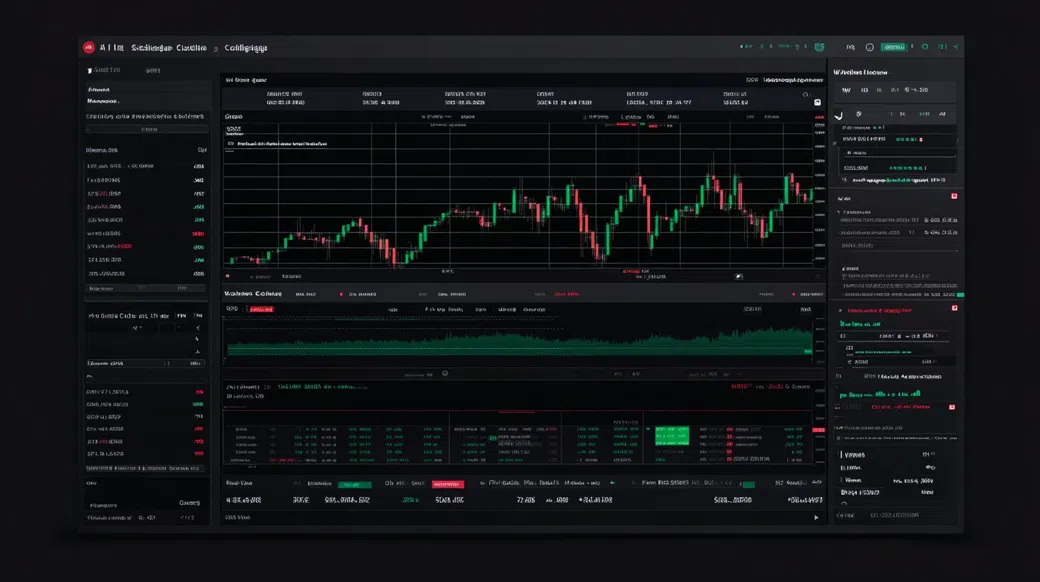
Iron Fundalis Trading Platform Alternatives 2026: Reliable Options for Online Traders
Security reviews start with one question: “What happens when things go wrong?” That lens matters even more for leveraged CFD trading, where a single volatility spike can turn a small margin position into a forced liquidation. Iron Fundalis sits in the offshore CFD/FX bucket (commonly seen under Seychelles FSA-style frameworks), typically offering a proprietary WebTrader plus mobile apps, higher leverage (often advertised around 1:500), and a relatively low entry deposit (around $250). That feature set can feel convenient—until you need strong investor protections, predictable withdrawals, or an execution stack you can actually test and reason about.
If you’re comparing Iron Fundalis to regulated brokers, the gap is usually less about “more indicators” and more about guardrails: segregated client funds, negative balance protection policies, compensation schemes in some jurisdictions, and regulators that publish registers and enforcement actions. That’s why Iron Fundalis alternatives are often evaluated like infrastructure choices: you want clear rules, transparent costs, and tooling that supports your strategy (MT4/MT5/cTrader, APIs, or serious multi-asset access).
Below is a practical, 2026-focused guide for US/EU readers: what Iron Fundalis likely provides, where the risk edges show up, and which regulated options vs Iron Fundalis are typically used by traders who treat counterparty risk as a first-class problem.
Disclaimer: This article is for informational purposes only and does not constitute investment advice. CFDs and other leveraged products carry a high risk of rapid losses; only trade with money you can afford to lose.
Key Takeaways (TL;DR)
- Offshore-style CFD platforms can offer high leverage, but regulated brokers add enforceable rules, public registers, and (in some regions) compensation schemes.
- Compare cost using round-turn trading cost (spread + commission + slippage), not headline “from 0.0 pips” marketing.
- Switching platforms is a process: verify the new broker on FCA/ASIC/CySEC/NFA registers, pass KYC first, then withdraw using the original funding method to reduce AML friction.
What Is Iron Fundalis and How Does Its Trading Platform Work?
From a product-shape perspective, Iron Fundalis looks like a CFD-first brokerage targeting retail traders who want quick access to FX pairs, indices, commodities, and crypto CFDs without the heavier onboarding and tighter leverage limits common in top-tier jurisdictions. Providers in this category frequently operate offshore (here, consistent with Seychelles FSA-type registration), and the dealing setup is often closer to market-maker execution than true DMA. That doesn’t automatically mean “bad,” but it changes what you should audit: conflict-of-interest handling, order execution disclosures, and the practical reliability of deposits/withdrawals across regions.
Iron Fundalis Web Trading Platform: Core Features and Tools
Expect a proprietary WebTrader with basic-to-mid charting rather than a deep terminal like cTrader or a fully loaded MT5 build. Chart views typically cover common timeframes, a standard indicator set (moving averages, RSI, MACD), and drawing tools for manual analysis. Order entry usually supports market and pending orders, with stop-loss/take-profit attached, but advanced order types can be limited. Mobile apps for iOS/Android often mirror the web layout: watchlists, quick trade tickets, account equity/margin panels, and notifications—useful, yet not the same as a platform where you can reliably reproduce execution behavior across devices. If you’re looking at platforms like Iron Fundalis, treat “platform convenience” and “platform verifiability” as separate requirements.
Trading Fees, Spreads, and Account Types at Iron Fundalis
Cost structure in this segment is usually spread-led. A typical EUR/USD spread is commonly shown around 2.0 pips on a Standard-style account, while “Raw/ECN” tiers—when offered—tend to quote tighter spreads (often 0.0–0.4 pips) plus a round-turn commission in the neighborhood of $6. Beyond entry/exit costs, the quiet fees matter: swap/overnight financing for held positions, potential withdrawal charges depending on rails, and possible inactivity fees after extended non-trading periods. For competitors to Iron Fundalis, the cleaner comparison is: what does a full round-turn cost you at your usual trade size, after swaps and expected slippage?
When Do Traders Start Looking for Iron Fundalis Alternatives?
Sometimes the trigger isn’t performance—it’s controllability. If your risk model assumes enforceable protections (segregated funds, transparent dispute channels, predictable margin rules), an offshore CFD venue becomes a hard dependency to justify. That’s where Iron Fundalis alternatives come in: you’re not only swapping a UI, you’re changing the legal wrapper, execution model, and the “what if support stops replying” scenario planning. High leverage (often marketed around 1:500) can amplify returns, but it also accelerates margin calls, especially during news-driven gaps and thin liquidity.
- You need MT4/MT5 or cTrader for automation, reproducible backtesting, or a VPS workflow that a proprietary WebTrader doesn’t support.
- Your strategy depends on tighter all-in costs (spread + commission), and ~2.0 pips on EUR/USD is not competitive for frequent trading.
- You want real multi-asset access (stocks/ETFs/options/futures) instead of equity exposure that is CFDs only.
- You’re hitting withdrawal friction (delays, repeated documents, or payment-rail limitations) and want a broker with clearer rails and timelines.
- Your residency changes or you travel often, and restricted-region policies create sudden account constraints (US restrictions are common across offshore CFD brands).
How to Choose a Reliable Alternative to the Iron Fundalis Trading Platform
Pick the broker the way you’d pick a dependency for production: define failure modes, then design around them. For alternatives to the Iron Fundalis trading platform, I’d start with hard constraints (jurisdiction, regulator, product eligibility), then move to execution details (model, slippage behavior), and only then debate UI polish. A “good” broker for a swing trader can be the wrong broker for a scalper, even under the same regulator.
Regulation, Safety, and Investor Protection
Regulation is not a badge; it’s a set of enforceable obligations. For US/EU-focused traders, that usually means checking the broker entity on the FCA register (UK), ASIC (Australia), CySEC (Cyprus/EU), or NFA BASIC/CFTC (US). Look for segregated client funds language and whether negative balance protection applies to your entity. Compensation schemes can matter in edge cases: the UK’s FSCS can cover eligible clients up to £85,000, and Cyprus’ ICF coverage is commonly cited up to €20,000 for eligible claims—details vary by entity and residency.
Available Markets and Instruments
Start with what you actually need to hold. FX and index CFDs are widely available, but “stocks” can mean two very different things: real shares (custodied, with shareholder rights) versus stock CFDs (derivative exposure only). If your plan includes ETFs, options, or futures, a multi-asset broker (IBKR, Saxo) is often the cleanest path. If you mainly run FX/CFD systems, an FX specialist with robust routing and platform support may be the better fit than a broad but shallow offering.
Trading Costs: Spreads, Commissions, and Other Fees
Spreads are just the visible part of the bill. The fair comparison uses round-turn cost (open + close), adding commission (if any) and being realistic about slippage during volatility. Swap/overnight fees also punch above their weight for multi-day holding, especially on indices and commodities. If you’re choosing among top substitutes for Iron Fundalis, build a simple monthly estimate: number of trades × average spread/commission + expected swaps. It’s boring, but it stops you from optimizing for the wrong metric.
Platforms, Tools, and Execution Quality
Platform choice controls what you can verify. MT4/MT5 and cTrader bring predictable workflows for indicators, EAs, and trade logs; proprietary terminals can be fine, but they’re harder to audit and migrate. Ask how orders are executed: market maker versus STP/ECN/DMA. Then test: place small orders across sessions and compare fill quality (requotes, partial fills, slippage) under similar market conditions. If you’re coming from Iron Fundalis, assume positions will not transfer broker-to-broker; you’ll be rebuilding exposure from scratch.
Support, Education, and Overall User Experience
Support is part of risk management, not a “nice to have.” Check whether live chat/email/phone are available during your trading hours, and whether you can get responses in your preferred language. Education matters less than execution for pros, but clear margin-call rules, fee tables, and platform status pages matter for everyone. Finally, confirm mobile parity: if you manage risk on the go, the app must expose margin, stop edits, and order history without hidden menus.
Iron Fundalis and Different Asset Classes: When Alternatives May Be Better
Iron Fundalis Forex and CFD Trading
Iron Fundalis is typically positioned around FX and CFDs: think roughly 30–50 forex pairs, 8–15 indices, and a small commodities shelf. The headline leverage (commonly around 1:500) can look attractive, but leverage is not edge—execution and cost are. A EUR/USD spread around 2.0 pips is workable for occasional trades, yet it becomes expensive if you run high-frequency entries or tight-stop systems. Regulated options vs Iron Fundalis like Pepperstone or OANDA generally offer clearer execution disclosures and more mature platform ecosystems (MT4/MT5/cTrader for Pepperstone; strong FX pricing and risk tooling at OANDA). If your approach depends on consistent fills, pay attention to slippage distribution during session opens and major data prints; that’s where the “real spread” shows up.
Iron Fundalis Stock and ETF Trading
Here’s the common gap: offshore CFD venues frequently provide “equities” as CFDs, not as real stock ownership. That means no shareholder rights, no direct participation in corporate actions in the same way, and pricing/execution tied to the CFD provider’s model. Traders who want genuine stock/ETF access usually end up at multi-asset infrastructure like Interactive Brokers (IBKR) or Saxo Bank, where the product set extends into cash equities and ETFs, plus options/futures depending on region and permissions. This is less about “more instruments” and more about account architecture: custody, reporting, corporate actions handling, and robust statements. If you’re searching for brokers similar to Iron Fundalis but with real market access, this is the fork in the road.
Iron Fundalis Crypto Trading
Crypto on many CFD-first platforms is typically crypto CFDs: price exposure without on-chain ownership, no withdrawals to a wallet, and no ability to use the asset in DeFi or staking. That’s not inherently wrong—CFDs can be useful for hedging—but it’s a different product than spot crypto. If Iron Fundalis offers crypto CFDs (often 10–30 coins in this category), the key questions are weekend spreads, overnight financing, and gap risk. On the regulated side, IG and Plus500 are known for offering crypto CFDs in various regions (eligibility varies), with clearer risk disclosures and entity-level rules. For “Iron Fundalis trading platform alternatives 2026,” treat crypto CFDs as a high-volatility derivative first, and size positions accordingly.
Best Iron Fundalis Alternatives for 2026: Comparison of Top Trading Platforms
Interactive Brokers (IBKR): Key Facts and How It Compares to Iron Fundalis
Regulation: SEC/FINRA (US), FCA (UK), IIROC (Canada)
Markets: Stocks, ETFs, options, futures, bonds, FX
Fees: FX pricing varies by setup; commissions/spreads depend on product and venue; designed for low all-in costs at scale
Platform: Trader Workstation (TWS), IBKR mobile, APIs
Best For: Multi-asset traders who want real market access and APIs
Pepperstone: Key Facts and How It Compares to Iron Fundalis
Regulation: FCA, ASIC, CySEC, DFSA
Markets: FX, CFDs (indices, commodities, some crypto CFDs depending on region)
Fees: EUR/USD from ~0.0–0.3 pips + commission on Razor/Raw; from ~1.0+ pip on Standard (varies by entity and conditions)
Platform: MT4, MT5, cTrader
Best For: System traders needing MT4/MT5/cTrader and tight pricing
OANDA: Key Facts and How It Compares to Iron Fundalis
Regulation: CFTC/NFA (US), FCA, ASIC, IIROC
Markets: FX (core), CFDs in some regions (indices/commodities)
Fees: Typically spread-based pricing; EUR/USD often around ~0.6–1.2 pips depending on account and market conditions
Platform: OANDA Trade (proprietary), MT4
Best For: US-eligible FX traders prioritizing oversight and risk controls
Saxo Bank: Key Facts and How It Compares to Iron Fundalis
Regulation: FCA, MAS, DFSA
Markets: Stocks, ETFs, bonds, options, futures, FX, CFDs
Fees: Pricing depends on tier and product; FX spreads often competitive; commissions apply for exchange-traded products
Platform: SaxoTraderGO, SaxoTraderPRO
Best For: Portfolio builders mixing ETFs/stocks with FX hedges
IG: Key Facts and How It Compares to Iron Fundalis
Regulation: FCA, ASIC, MAS
Markets: CFDs (indices, FX, commodities, shares), spread betting (UK), crypto CFDs in certain regions
Fees: Typically spread-based; major FX spreads often from ~0.6 pips (conditions vary); financing charges apply for holds
Platform: IG Trading Platform, MT4
Best For: Active CFD traders who want a mature research and risk UI
Plus500: Key Facts and How It Compares to Iron Fundalis
Regulation: FCA, CySEC, ASIC, MAS
Markets: CFDs (FX, indices, commodities, shares, crypto CFDs where permitted)
Fees: Spread-based; costs vary by instrument; overnight funding applies on leveraged holds
Platform: Plus500 proprietary platform (web/mobile)
Best For: UI-first traders who prefer a simple, contained CFD experience
Comparison Summary
| Platform | Regulation | Main Markets | Typical Costs | Best For |
|---|---|---|---|---|
| Interactive Brokers (IBKR) | SEC/FINRA, FCA, IIROC | Real stocks/ETFs, options, futures, bonds, FX | Variable by venue; strong all-in economics for serious volume | Multi-asset traders who want real market access and APIs |
| Pepperstone | FCA, ASIC, CySEC, DFSA | FX + CFD suite | Raw: ~0.0–0.3 pips + commission; Standard: ~1.0+ pip | System traders needing MT4/MT5/cTrader and tight pricing |
| OANDA | CFTC/NFA, FCA, ASIC, IIROC | FX (plus CFDs in some regions) | Mostly spread-based; EUR/USD often ~0.6–1.2 pips | US-eligible FX traders prioritizing oversight and risk controls |
| Saxo Bank | FCA, MAS, DFSA | Multi-asset: equities/ETFs + derivatives + FX | Tiered pricing; commissions on exchanges; competitive FX spreads by tier | Portfolio builders mixing ETFs/stocks with FX hedges |
| IG | FCA, ASIC, MAS | CFDs (and spread betting in UK) | Spread-based; majors often from ~0.6 pips; financing on holds | Active CFD traders who want a mature research and risk UI |
| Plus500 | FCA, CySEC, ASIC, MAS | CFDs across major asset classes | Spread-based; instrument-dependent; overnight funding applies | UI-first traders who prefer a simple, contained CFD experience |
How to Safely Move from Iron Fundalis to Another Broker
Migration is operational risk, not “account shopping.” Treat it like rotating keys: verify the new environment first, reduce exposure during the handover, and keep an audit trail. One more thing: leverage cuts both ways. If you’re running near margin limits, moving during high volatility can force bad exits—so plan the window and size down.
- Confirm the new broker entity on the regulator’s public register (FCA, ASIC, CySEC, or NFA BASIC) and match the legal name to the onboarding documents.
- Open the new account and complete KYC/AML verification (government ID + proof of address) before you touch the old account’s funding flow.
- Export statements, confirmations, and full trade history from Iron Fundalis; you’ll want these for taxes, performance analysis, and dispute resolution.
- Flatten open positions or reduce them to a risk level you can manage without relying on a cross-broker transfer (most brokers don’t port CFDs between firms).
- Withdraw funds using the same payment method you deposited with, since many brokers enforce source-of-funds rules; document timestamps and reference numbers.
- Start at the new broker with a small deposit, run a few low-size trades, and measure spreads, swaps, and slippage before scaling back up.
Ready to Explore Iron Fundalis?
If you’re still evaluating the platform itself, check the current onboarding steps, supported regions, and the exact account terms you’d be placed under. Then compare those conditions against the Iron Fundalis trading platform alternatives 2026 list above using the same strategy assumptions and risk limits.
Visit Iron FundalisFAQ: Iron Fundalis Alternatives and Trading Platforms
What is the best alternative to Iron Fundalis in 2026?
The best option depends on whether you want real multi-asset access or mostly FX/CFDs. For broad, regulated market access (stocks/ETFs/options/futures plus FX), Interactive Brokers (IBKR) is a common pick; for FX/CFD platform depth with MT4/MT5/cTrader, Pepperstone is often shortlisted. If your priority is US-eligible FX under strong oversight, OANDA is a practical benchmark. In other words: define your required instruments and execution stack first, then shortlist the best Iron Fundalis alternatives 2026 by entity and region.
Is Iron Fundalis a safe broker/platform?
Iron Fundalis appears to fit an offshore/unregulated-or-offshore profile (commonly aligned with Seychelles FSA-type structures), which generally provides fewer enforceable protections than FCA/ASIC/CySEC/NFA-regulated entities. Safety is not only “can I log in”; it’s whether client funds are segregated, what dispute channel exists, and how transparent execution and fees are. If you need stronger investor protection and public oversight, regulated options vs Iron Fundalis are usually the safer operational choice.
Can I trade stocks, futures, or crypto with Iron Fundalis?
With Iron Fundalis, the typical offering in this category is FX and CFDs, with crypto often available as crypto CFDs rather than on-chain ownership. Stock exposure—when present—is frequently CFDs only, and futures are usually not offered as exchange-traded futures in the way multi-asset brokers provide. If you need real stocks/ETFs or listed futures, brokers similar to Iron Fundalis won’t help much; you’ll want a regulated multi-asset venue like IBKR or Saxo.
What should I check before switching from Iron Fundalis to another platform?
Before switching, verify the exact legal entity on the regulator’s register, confirm client-fund segregation language, and read the margin/stop-out rules that will govern your leverage. Next, map your strategy to the execution model (market maker vs STP/ECN/DMA) and compare round-turn costs including swaps. Finally, test withdrawals and platform stability with small amounts before migrating full capital; the goal is to reduce operational surprises while moving to Iron Fundalis alternatives.
About the Author: Samuel White is a Seoul-based smart contract developer who approaches trading platforms like software systems: threat-model first, features second. He writes about execution mechanics, custody and counterparty risk, and the small print that actually governs how trades and withdrawals behave under stress.






