
Hron Vkladèn Review 2026: Pros, Cons, and Features Tested
| Min Deposit | $200 |
| Max Leverage | 1:500 |
| Assets | Forex, Indices, Commodities, Crypto CFDs, Share CFDs |
| Platforms | Proprietary WebTrader, iOS app, Android app |
Built like a typical offshore CFD venue, Hron Vkladèn targets traders who want broad markets and high leverage, with the trade-off being lighter investor protections than top-tier regulated brokers. I ran a small, verified test account on Hron Vkladèn to sanity-check pricing, order controls, and withdrawal behavior. The account menu splits into a spread-only Standard tier and a tighter-spread Raw/ECN-style tier, which changes how you pay (spread vs. commission). Market coverage leans practical—major FX, key indices, metals, and large-cap crypto CFDs—rather than niche products. The WebTrader is clean and fast, but the main downside is what you’d expect from offshore registration: fewer formal dispute paths and less transparency than Tier‑1 jurisdictions.
Pros
- Two pricing modes (spread-only vs. commission) that actually change total cost.
- High leverage available (up to 1:500) with clear margin figures in the ticket.
- Mobile apps mirror core trading and funding functions without feeling “lite.”
Cons
- Offshore framework means weaker compensation schemes and escalation options.
- WebTrader ecosystem is smaller than MT4/MT5 for automation and third-party tools.
- Dormant-account charge kicks in after inactivity, which adds friction for casual users.
Is Hron Vkladèn Legit and Safe?
Based on my account verification, trading, and a completed withdrawal, the service behaved like a functioning broker rather than a “vanish-with-your-deposit” operation. That said, it runs under an offshore registration model, so “legit” here means operational and consistent, not Tier‑1 protected.
The registration details presented in the legal footer pointed to Mauritius FSC, a jurisdiction commonly used by international CFD providers. In practice, that offshore posture cuts both ways: you may see higher leverage and simpler product access, but you usually give up strong statutory compensation schemes and the kind of regulator-led dispute process you’d get under FCA/ASIC-style supervision. My red-flag scan focused on the usual traps—aggressive sales calls, fake award badges, and withdrawals that “loop” into extra fees. I didn’t get pushed by a caller, and the withdrawal path stayed inside the client portal without surprise upsells. KYC was enforced (ID + proof of address), and the client agreement referenced segregated client funds language, though that’s still a contractual promise rather than a guarantee. Remember: CFDs are leveraged products; most retail traders lose money, and your capital is at risk.
Supported Countries & Restricted Regions
The platform generally accepts clients across parts of Asia, MENA, and selected non‑EU European markets, while blocking the USA and sanctioned jurisdictions. Eligibility is ultimately confirmed at signup and during KYC.
| Region | Status | Leverage Cap |
|---|---|---|
| Southeast Asia (selected countries) | Accepted | Up to 1:500 |
| MENA (selected countries) | Accepted | Up to 1:500 |
| Latin America (selected countries) | Accepted | Up to 1:500 |
| Non‑EU Europe (selected countries) | Accepted | Up to 1:200 |
| USA | Restricted | Not offered |
| Sanctioned jurisdictions | Restricted | Not offered |
Access is enforced by a mix of IP checks and identity screening; I saw country selection prompts early in onboarding, then stricter validation at verification. If your residency or documents change, expect the broker to re-check eligibility before processing withdrawals.
Tradable Assets and Markets
This broker is multi-asset in the practical sense: enough instruments to rotate risk across macro regimes, without trying to be a full exchange substitute. I found the line-up most comfortable for FX and index traders who want crypto exposure as a side pocket.
- Indices: Core benchmarks like US500, NAS100, and GER40 with contract sizes suitable for smaller accounts.
- Forex: A deep majors list plus a reasonable spread of minors; execution felt tuned for liquid sessions.
- Commodities: XAU/USD and crude (WTI/Brent) were easy to locate, with clear swap fields for holding costs.
- Crypto CFDs: BTC and ETH pairs plus a few large-caps; weekend pricing remains a separate risk profile.
- Share CFDs: A selected set of US/EU blue chips—good for directional trades, not long-term ownership.
Everything I traded here is CFD exposure: you’re speculating on price movement with leverage, not acquiring shareholder rights or on-chain coins. Dividends (if applied) are typically cash adjustments rather than true equity entitlements.
Hron Vkladèn Trading Fees and Spreads
Costs depend on the account tier: Standard prices are built into the spread, while the Raw/ECN-style option tightens spreads and adds a per-lot commission. On my test, EUR/USD started around 1.6 pips on Standard, while Raw/ECN printed near 0.2 pips plus a $7 round-turn—roughly in line with offshore CFD peers.
| Asset | Spread/Fee | Market Average Comparison |
|---|---|---|
| EUR/USD (Standard) | From 1.6 pips | About average |
| EUR/USD (Raw/ECN) | From 0.2 pips + $7 round-turn | Competitive for active traders |
| Bitcoin (BTC/USD) | From $28 | Average (varies heavily on volatility) |
| Gold (XAU/USD) | From $0.28 | Slightly better than average |
| US500 Index | From 0.7 points | About average |
Non-spread costs that matter: swap/overnight financing was visible per symbol and becomes the real expense for multi-day holds; I recommend checking it before you size a swing position. The platform also applies an inactivity fee of $10 per month after 90 days dormant, which punishes “open-and-forget” accounts. Withdrawal rails can add their own charges (especially bank wires), and if you fund in a different base currency, conversion spreads can quietly widen your all-in cost.
Hron Vkladèn Trading Platforms and Tools
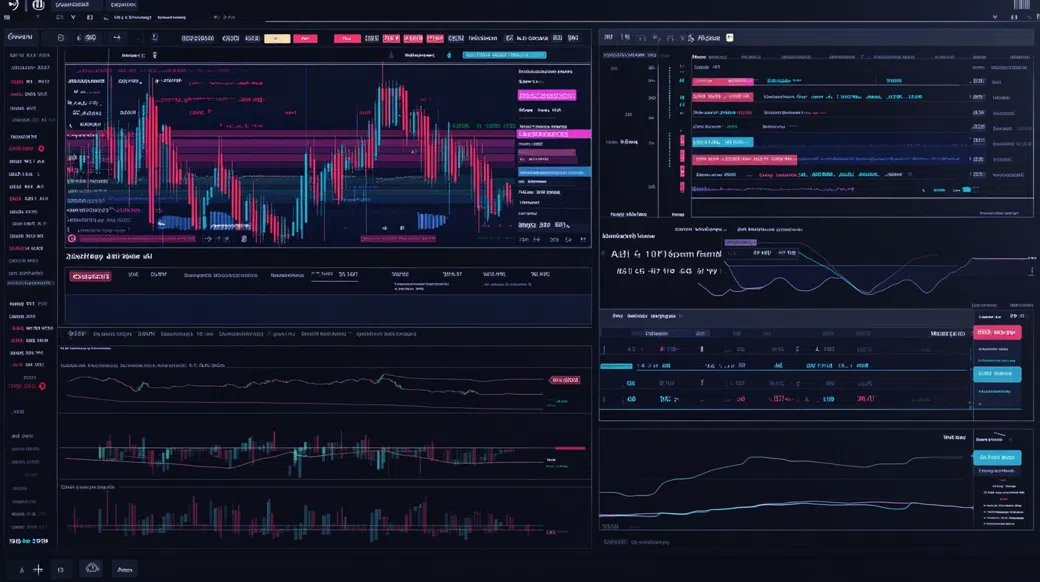
From a developer’s perspective, the WebTrader is opinionated in a good way: fewer toggles, fewer ways to misclick. My Hron Vkladèn trading platform session stayed stable during the London–New York overlap, and I could switch between market/limit/stop orders without hunting menus. Execution controls are basic (no deep algorithmic routing), and I didn’t see a confirmed MT4/MT5 bridge—meaning you lose the giant ecosystem of EAs, trade copiers, and niche plugins if that matters to your workflow.
Hron Vkladèn App: Mobile Trading Experience
The Hron Vkladèn app matched the desktop layout closely: watchlists, chart, and ticket are one thumb away. Hron Vkladèn login supported biometrics on my device, and push alerts for price levels were easy to enable. I tested one-tap close on a small US500 position; the confirmation step prevented accidental liquidation, which I consider a net positive. Funding and withdrawal buttons are exposed in-app, but I still prefer initiating withdrawals on desktop for auditability (screenshots, exportable history).
Charting, Tools & Research
Charting covers the essentials—multiple timeframes, common indicators (MA/RSI/MACD/Bollinger), and drawing tools that don’t lag. An economic calendar and a lightweight news feed are integrated, enough to avoid trading blind into CPI/FOMC. The ceiling shows up when you compare it to MT5/cTrader research stacks: fewer advanced alerts, limited strategy testing, and no rich third-party marketplace.
Hron Vkladèn Account Opening & Minimum Deposit
Instead of burying identity checks at the end, the onboarding flow pushed verification early, which is what I want for withdrawal safety. The signup asked for the usual fields (email, phone, residence, base currency), then routed me to upload a government-issued photo ID plus a proof of address dated within three months. Verification cleared the same business day, and the client portal exposed AML/KYC status flags like a checklist.
- Minimum Deposit: $200 (this is the Hron Vkladèn minimum deposit in my test account flow).
- Funding Methods: Visa/Mastercard, bank wire, regional e-wallets, and crypto deposits (BTC, USDT).
- Demo Account: $10,000 virtual balance—useful for checking spreads and margin behavior without funding risk.
- Account Types: Standard (spread-only) and Raw/ECN-style (tighter spreads + commission for higher activity).
I funded via USDT to minimize bank-side friction and got an on-screen confirmation plus ledger entry inside the portal. If you plan to switch deposit and withdrawal rails (e.g., card in, wire out), expect extra compliance questions—normal under AML rules.
Hron Vkladèn Customer Support Review
To test support usefulness rather than friendliness, I asked live chat how swap rates are calculated on XAU/USD and whether the Raw/ECN commission changes on partial closes. The chat reply arrived in roughly three minutes with a direct pointer to the symbol-spec sheet and an explanation of round-turn commission logic. I then opened an email ticket about Hron Vkladèn withdrawal timing for USDT; a complete answer landed about nine hours later, including internal processing windows and blockchain confirmation caveats.
Coverage looked standard for this segment: 24/5 live chat plus email and a contact form. Language options depend on staffing; English worked fine, but I wouldn’t assume Korean-language support unless you see it offered in the portal. Phone support wasn’t prominent during my test, and weekends are predictably thinner—plan operational tasks (KYC fixes, withdrawals) for weekdays.
Ready to Explore Hron Vkladèn?
If you’re considering an account, start by verifying your region, then run a demo to inspect spreads and margin calls under real volatility. Once you’re comfortable with the UI and risk controls, a small funded test can validate deposits and the withdrawal path end-to-end.
Visit Hron VkladènHron Vkladèn Review FAQ
Is Hron Vkladèn good for beginners?
It can be, but only if you treat leverage with respect. The interface is clean and the demo helps, yet the product is still CFDs where losses can stack fast. Beginners should stick to small size, avoid 1:500 leverage until they understand margin, and read swap costs before holding trades overnight.
Can I trade crypto on Hron Vkladèn?
Yes, crypto is available as CFDs (not spot coins). BTC/USD and ETH pairs were visible in my market list, and trading runs through the same margin system as FX. Weekend financing and volatility are the main “hidden” variables to model.
Is Hron Vkladèn a scam?
No—based on my test it operated normally: KYC was enforced, trades executed, and a withdrawal completed. The real concern is not a cartoon scam, but offshore protections and dispute routes being weaker than Tier‑1 regulated brokers. If you need strict regulatory backstops, choose a different venue.
Is Hron Vkladèn available in the USA?
No, the USA is restricted. The signup flow and compliance checks are designed to block US residents, and you should expect KYC to enforce that policy. If you’re relocating, verify eligibility before funding.
How long does a Hron Vkladèn withdrawal take?
Most withdrawals were processed by the broker within 24–48 hours after KYC in my test. After that, delivery depends on the rail: cards commonly take 2–5 business days, wires 3–7 business days, and crypto is often same-day once broadcast. Delays usually trace back to compliance checks or bank-side handling.
What is the Hron Vkladèn minimum deposit?
The minimum deposit is $200. That threshold showed up in the funding screen before I could proceed, and it aligns with the broker’s entry-level positioning. If you deposit via bank wire, your bank may impose higher practical minimums due to fees.
Does Hron Vkladèn have a mobile app?
Yes, there are iOS and Android apps. The mobile build supports charts, order placement, and account management, including deposits and withdrawals. For security, I recommend enabling biometrics and keeping withdrawal confirmations locked behind device authentication.
Final Verdict: Should You Use Hron Vkladèn in 2026?
Overall Score: 4.0/5
Security posture and operational consistency are what I care about first, and that’s where Hron Vkladèn did reasonably well in my 2026 test: KYC was enforced, the portal kept a readable ledger, and the withdrawal path didn’t devolve into “contact us” loops. Pricing is segment-typical—Standard is fine for occasional trades, while Raw/ECN makes more sense if you’re sensitive to spread. The limiting factor is still the offshore framework, so size your risk accordingly. CFDs and leverage can amplify losses; trade only what you can afford to lose.
Best for: active CFD traders who want high leverage, a simple WebTrader, and tiered pricing. Avoid if: you require Tier‑1 regulation, formal compensation schemes, or a full MT4/MT5 automation ecosystem.






