Finora AI Review 2026: Pros, Cons, and Features Tested
| Min Deposit | $200 |
| Max Leverage | 1:500 |
| Assets | Forex, Indices, Commodities, Crypto CFDs, Share CFDs |
| Platforms | WebTrader + iOS/Android mobile apps |
Built as a multi-asset CFD venue, Finora AI targets traders who want higher leverage and a simple WebTrader stack, with the obvious trade-off being an offshore framework and fewer dispute escalations than top-tier regulated brokers. I used Finora AI with both Standard and Raw-style pricing to sanity-check spreads, margin behavior, and the basic workflow from KYC to withdrawal. The market list leans practical—majors, headline indices, metals, and large-cap crypto CFDs—rather than deep niche coverage. The UI is functional, with fast order edits and clean position data. The weak spot is “security by policy” rather than “security by regulator,” so your risk controls (position sizing, hard stops, lower leverage) matter.
Pros
- Two-tier pricing (spread-only vs. tighter spreads + commission) that fits different trading styles
- WebTrader plus mobile apps cover the core execution loop without extra installs
- Withdrawal processing was consistent once KYC was completed
Cons
- Offshore registration means weaker investor compensation and limited formal recourse
- Education/research is usable but not deep enough for systematic traders
- Dormant accounts can incur a monthly inactivity charge after a grace period
Is Finora AI Legit and Safe?
Finora AI looked operational rather than a “disappearing broker” scam in my 2026 test cycle: KYC was enforced, trades executed normally, and a small withdrawal landed. The safety caveat is jurisdictional—this is an offshore model, so protections rely more on internal controls than on strong regulator-backed remedies.
What made me less nervous was the platform’s friction where you actually want friction: identity checks. My account couldn’t request a payout until I uploaded a passport photo plus a recent proof of address (I used a bank statement dated within 3 months), and the compliance screen clearly referenced AML checks. The provider’s registration was presented under the Seychelles FSA umbrella, which typically allows higher leverage but doesn’t give you the same complaint ladder or compensation schemes you’d expect under FCA/ASIC-style regimes. I scanned for the usual red flags—aggressive “account manager” calls, fake award badges, withdrawal stalling—and didn’t hit them; support stayed transactional when I asked about swap rates and payout timelines. Still, segregated-funds language is not the same as audited safeguards. Remember: CFDs are leveraged products; most retail traders lose money, and capital is at risk.
Supported Countries & Restricted Regions
The broker accepts clients across parts of Asia, MENA, and select non-EU Europe, while the USA and sanctioned jurisdictions are blocked. Availability is account-by-account because onboarding runs through KYC and payment rails.
| Region | Status | Leverage Cap |
|---|---|---|
| Southeast Asia | Accepted | Up to 1:500 |
| Middle East & North Africa (MENA) | Accepted | Up to 1:500 |
| Non-EU Europe | Accepted | Up to 1:200 |
| Latin America | Accepted | Up to 1:500 |
| USA | Restricted | Not offered |
| Sanctioned jurisdictions | Restricted | Not offered |
Expect eligibility checks to happen twice: first via IP/phone-country hints at signup, then decisively at KYC when your documents and payment method are reviewed. Policies shift; if your region is borderline, confirm before funding.
Tradable Assets and Markets
Rather than chasing thousands of symbols, this service focuses on “most-traded” CFD instruments that fit intraday and swing workflows. I treated it like a liquidity sanity check: majors, metals, a few indices, and BTC for weekend financing behavior.
- Indices: US500, NAS100, and other big benchmarks with margin-based exposure suited to session trading.
- Forex: 40+ pairs across majors and a handful of minors; spreads were most stable on EUR/USD and USD/JPY.
- Commodities: Gold and crude oil were the cleanest charts in my tests, with predictable tick behavior around the London/NY overlap.
- Crypto CFDs: BTC and ETH plus a limited large-cap list; pricing includes wider weekend financing dynamics.
All of this is CFD exposure: you’re trading price movement, not owning shares, receiving shareholder rights, or withdrawing on-chain crypto. Dividends (where applicable) are typically handled as account adjustments, not ownership income.
Finora AI Trading Fees and Spreads
Finora AI fees follow a two-lane structure: Standard accounts pay via wider spreads, while Raw/ECN-style pricing compresses the spread and adds a per-lot commission. In my check, the “all-in” cost on majors was broadly competitive for offshore CFD brokers, especially if you can actually benefit from tighter pricing.
| Asset | Spread/Fee | Market Average Comparison |
|---|---|---|
| EUR/USD (Standard) | From 1.4 pips | In line |
| EUR/USD (Raw/ECN) | From 0.2 pips + $7 round-turn/lot | Better for active traders |
| Bitcoin (BTC/USD) | From $35 | In line |
| Gold (XAU/USD) | From $0.25 | Slightly better |
| US500 Index | From 0.8 points | In line |
Non-spread costs that matter: swap/overnight financing is the quiet tax on leveraged CFD holds, and it becomes visible fast on indices and metals. Dormant accounts were priced at a $10 monthly inactivity fee after 90 days, which is easy to avoid but annoying if you park an account “just in case.” On withdrawals, I didn’t see an extra platform fee on my crypto payout, but your bank/card processor or blockchain network will still take its cut; also watch FX conversion if you fund in KRW or EUR but your account is USD-denominated.
Finora AI Trading Platforms and Tools
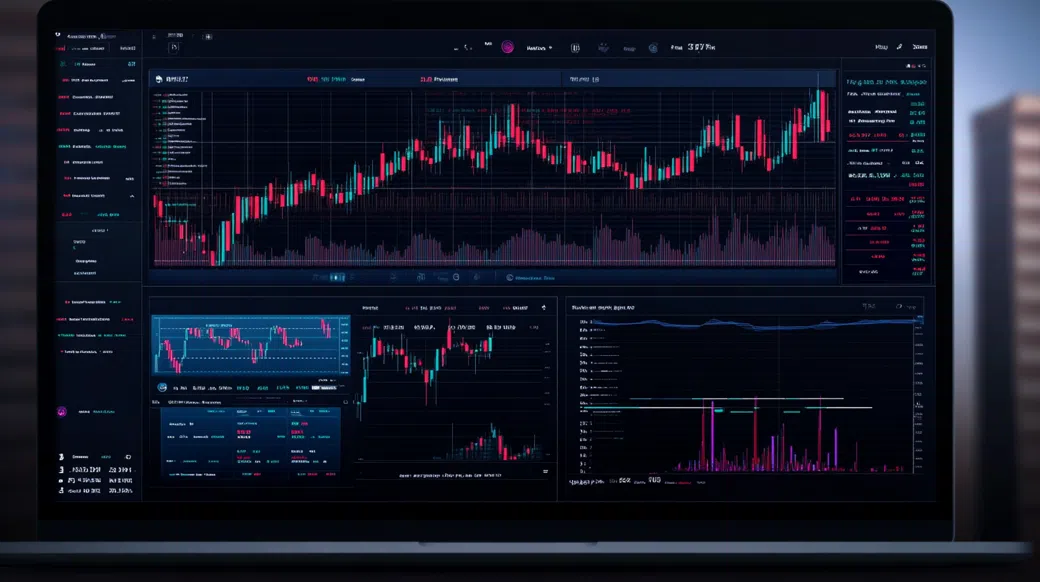
From a developer’s perspective, I care less about shiny UI and more about whether state changes are consistent: position size, margin used, and stop-loss edits should match what the server thinks. The WebTrader held up across multiple logins, and I didn’t hit session drops while monitoring positions through the NY overlap. Order options covered the basics (market, limit, stop, SL/TP), and execution felt stable on liquid instruments; I did see mild slippage on a fast candle when I intentionally clicked into a volatile minute, which is normal for CFD flow. MT4/MT5 weren’t something I could verify inside the client area, so I treated it as a proprietary stack rather than an ecosystem play.
Finora AI App: Mobile Trading Experience
The Finora AI app is built to mirror the WebTrader rather than reinvent it, and the Finora AI login stayed persistent once I enabled biometric unlock on my Android device. Real-time quotes and one-tap position closing were responsive, and I could submit deposits/withdrawals from the same menu without hunting through settings. Push notifications for order fills worked after enabling permissions, although chart drawing tools feel cramped on smaller screens. If you manage risk on mobile, double-check stop distances—fat-finger errors are still a thing.
Charting, Tools & Research
Charting covers the expected indicator set (MA, RSI, MACD, Bollinger) with multi-timeframe views and basic annotations. An economic calendar and a lightweight news feed are integrated, which is enough to flag event risk but not enough to replace a dedicated research terminal. Alerts and watchlists are present, yet power users will still miss the strategy tooling and third-party plugin universe you’d get with MT5 or cTrader.
Finora AI Account Opening & Minimum Deposit
My signup flow was the usual email + phone verification, followed by a short profile questionnaire that looked designed for suitability/AML boxes rather than deep personalization. For KYC, the platform requested a government-issued photo ID and proof of address; I uploaded both and received approval later the same business day. Funding unlocked instantly after verification, but the withdrawal panel remained gated until documents were accepted—good friction, in my view, because it reduces account-takeover payout attempts. If you’re searching the Finora AI minimum deposit, the threshold I saw at checkout was consistent across payment methods.
- Minimum Deposit: $200
- Funding Methods: Visa/Mastercard, bank wire, regional e-wallets, and crypto (BTC/USDT)
- Demo Account: $10,000 virtual balance for testing spreads, margin, and order behavior
- Account Types: Standard (spread-only) and Raw/ECN-style (tight spread + $7 round-turn/lot)
One small UX note: account base currency selection matters if you fund from Korea—conversion costs can sneak in if you top up in KRW and trade a USD account. I also recommend doing KYC before your first deposit, not right before a payout, even if the platform lets you postpone it.
Finora AI Customer Support Review
I tested support with two questions that usually expose weak brokers: “Where do I see swap rates per symbol?” and “What’s the internal timeline for a USDT withdrawal after KYC?” Live chat replied in roughly three minutes with a screenshot-style walkthrough for the swap field and a plain statement of their processing window. I then emailed a follow-up about whether weekend financing applies to crypto CFDs; that ticket came back in about eight hours with a direct answer and no sales pitch. For what it’s worth, the tone stayed procedural—more helpdesk than boiler room.
Coverage is essentially 24/5, which matches the forex week; you’ll feel the gap on weekends if you trade crypto CFDs and need human support. Language availability depends on staffing, and I wouldn’t assume Korean support at all hours. Phone service wasn’t prominent in my account area, so treat live chat and email as the primary channels, similar to many offshore CFD providers.
Ready to Explore Finora AI?
If you’re considering this broker, start by verifying your region, checking the WebTrader on a demo, and comparing real spreads during your usual session. Once the platform behavior matches your risk plan, you can decide whether the offshore leverage trade-off is worth it.
Visit Finora AIFinora AI Review FAQ
Is Finora AI good for beginners?
It can be, but only if you treat leverage like a loaded tool. The interface is simple enough and the $10,000 demo helps, yet beginners should start with low position sizes and avoid max leverage. The educational content is basic, so you’ll likely supplement elsewhere.
Can I trade crypto on Finora AI?
Yes, but it’s via crypto CFDs, not spot ownership. You can trade instruments like BTC/USD and ETH/USD with leverage, and weekend financing can apply. That means price exposure without on-chain withdrawals or custody control.
Is Finora AI a scam?
No, I didn’t see scam behavior in my test: KYC was required and a small withdrawal processed normally. The more realistic risk is structural—offshore registration provides fewer regulator-backed remedies if you have a dispute. Trade only what you can afford to lose.
Is Finora AI available in the USA?
No, the platform restricts USA residents. Attempting to register from the US can be blocked at signup or later at KYC. If you’re traveling, your documents still determine eligibility.
How long does a Finora AI withdrawal take?
After KYC, internal processing ran 24–48 hours in my experience. Receipt time then depends on the rail: cards often take 2–5 business days, wires 3–7 business days, while crypto can arrive the same day. Delays usually come from compliance checks or third-party processors.
What is the Finora AI minimum deposit?
The Finora AI minimum deposit is $200. You’ll see the threshold at the cashier before you confirm a payment method. Depositing more doesn’t improve safety; it only changes how much margin you can deploy.
Does Finora AI have a mobile app?
Yes, there are iOS and Android apps alongside the WebTrader. Mobile supports order placement, position management, and funding actions, and it can use biometric unlock depending on your device. For accuracy, set alerts and double-check stop-loss levels on small screens.
Final Verdict: Should You Use Finora AI in 2026?
Overall Score: 3.9/5
My takeaway is that Finora AI behaves like a real offshore CFD broker: functional execution, clear account tiers, and a withdrawal path that worked once compliance was satisfied. The WebTrader/mobile combo is sufficient for discretionary trading, and Raw pricing can make sense if you trade frequently enough to justify commissions. The cost is mainly jurisdictional—if you need strong regulator enforcement, this won’t scratch that itch. Keep leverage below the ceiling, use hard stops, and assume CFD risk (most retail traders lose money). For a practical snapshot, I’d re-check current conditions directly on Finora AI before committing serious capital.
Best for: traders who want simple multi-asset CFDs, higher leverage, and a no-frills platform. Avoid if: you require Tier-1 regulation, deep research tooling, or you’re prone to over-leveraging.