Douve Fondença Review 2026: Pros, Cons, and Features Tested
| Min Deposit | $200 |
| Max Leverage | 1:500 |
| Assets | Forex, Indices, Commodities, Crypto CFDs, Share CFDs |
| Platforms | WebTrader (desktop/browser), iOS & Android apps |
Built like a typical international CFD venue, Douve Fondença targets traders who want multi-asset exposure and high leverage, with the clear trade-off being an offshore compliance footprint. In my account run-through, I saw two main tiers (spread-only vs. tight-spread + commission), and the product list leaned practical: majors in FX, the big index contracts, and the usual BTC/ETH CFDs. The stack is a proprietary WebTrader plus mobile apps—clean, but not the MT4/MT5 ecosystem. If you want a quick place to price risk and manage margin from one dashboard, it fits; if you want heavy regulatory backstops, you’ll feel the limit. Here’s the current Douve Fondença entry point I used.
Pros
- Two pricing styles (spread-only and Raw/ECN-style) that map well to different trade frequencies
- Broad CFD menu across FX, indices, metals, oil, and large-cap crypto
- Mobile app supports funding and position management without needing a desktop session
Cons
- Operates under an offshore registration model, so escalation paths are thinner than Tier-1 jurisdictions
- Platform is proprietary; MT4/MT5 availability wasn’t something I could verify in-app
- Dormancy cost exists (inactivity fee) and can matter if you park accounts
Is Douve Fondença Legit and Safe?
Douve Fondença looks operational and tradeable rather than a “vanish-after-deposit” setup, but it’s not the same safety profile as a top-tier regulated broker. The key caveat is offshore oversight, which changes how disputes, compensation, and enforcement work.
What anchored my “is Douve Fondença legit” check was the friction where it should exist: KYC wasn’t optional once I moved from browsing to cashflow. The provider presented registration under the Seychelles FSA framework, which in practice usually means broader leverage (here up to 1:500) but weaker investor-compensation structures and fewer formal levers if you end up in a dispute. I watched for the classic red flags—manufactured award badges, aggressive “account manager” pressure, or withdrawal stalling after profits. The sales layer stayed quiet in my test window, and the withdrawal workflow behaved predictably after verification. On the safeguards side, the broker’s AML flow required government ID plus proof of address, and the legal pages referenced segregated client funds language (still: read it like code, not marketing). Remember: CFDs are leveraged products; margin calls happen fast, and many retail accounts lose money—capital is at risk.
Supported Countries & Restricted Regions
This broker generally accepts clients across parts of Asia, Africa, and Latin America, with select non-EU European jurisdictions also commonly supported. The USA is restricted, and sanctioned or heavily regulated jurisdictions are typically blocked.
| Region | Status | Leverage Cap |
|---|---|---|
| Southeast Asia | Accepted | Up to 1:500 |
| Latin America | Accepted | Up to 1:500 |
| Middle East & North Africa (non-sanctioned) | Accepted | Up to 1:500 |
| Sub-Saharan Africa | Accepted | Up to 1:500 |
| Europe (non-EU / non-UK) | Accepted | Up to 1:500 |
| USA | Restricted | Not offered |
| Sanctioned jurisdictions | Restricted | Not offered |
Eligibility didn’t rely on a single checkbox: the platform applied KYC checks and address validation, and it also behaved like it uses IP and document-country matching. Policies can shift, so treat access as a runtime condition, not a compile-time guarantee.
Tradable Assets and Markets
Instead of going ultra-deep in one niche, the platform feels designed for “core CFD coverage” across the instruments most retail traders actually quote and hedge. My testing focused on FX majors and index CFDs, and the catalog matched that bias.
- Indices: Major benchmarks like US500, NAS100, US30, and GER40 with typical CFD margin mechanics.
- Forex: A solid set of majors and minors (I counted 40+ pairs), with spreads that tighten meaningfully on the commission tier.
- Commodities: Metals and energy were present—XAU/USD and crude oil contracts were easy to find and quote.
- Crypto CFDs: Large caps like BTC and ETH, priced as derivatives (no wallets, no on-chain transfers).
- Share CFDs: A smaller list of recognizable US/EU names for directional exposure without holding the underlying stock.
Everything here is CFD-based exposure: you’re trading price movement, not taking delivery or custody. That means no shareholder voting rights, and “crypto” positions aren’t on-chain assets you can withdraw to a personal address.
Douve Fondença Trading Fees and Spreads
Costs on this broker are split into two tracks: Standard accounts price the trade in the spread, while the Raw/ECN-style option tightens spreads and adds a per-lot commission. On balance, the total cost sits in the normal band for offshore CFD platforms—competitive on majors if you qualify your account tier correctly.
| Asset | Spread/Fee | Market Average Comparison |
|---|---|---|
| EUR/USD (Standard) | From 1.4 pips | In line with typical spread-only CFD accounts |
| EUR/USD (Raw/ECN) | From 0.2 pips + $7 round-turn/lot | Competitive for active FX traders; commission is the main variable |
| Bitcoin (BTC/USD) | From $35 (variable) | Comparable to many crypto CFD quotes, widens on volatility |
| Gold (XAU/USD) | From $0.30 | Reasonable versus multi-asset CFD peers |
| US500 Index | From 0.9 points | Near the market middle; execution quality matters more than headline spread |
Non-spread costs that matter: Overnight swap/financing is the silent line item—hold a leveraged CFD for a week and it becomes a real percentage drag (or credit) depending on direction and rate differentials. The platform also applied a $10 monthly inactivity fee after 90 days dormant in my account settings view, which is small until you forget the account exists. Withdrawals themselves didn’t show a platform fee in my flow, but your payment rail can impose charges, and funding in a non-base currency can introduce conversion costs. Crypto CFDs often carry weekend financing effects too, so “set and forget” positions are rarely cheap.
Douve Fondença Trading Platforms and Tools
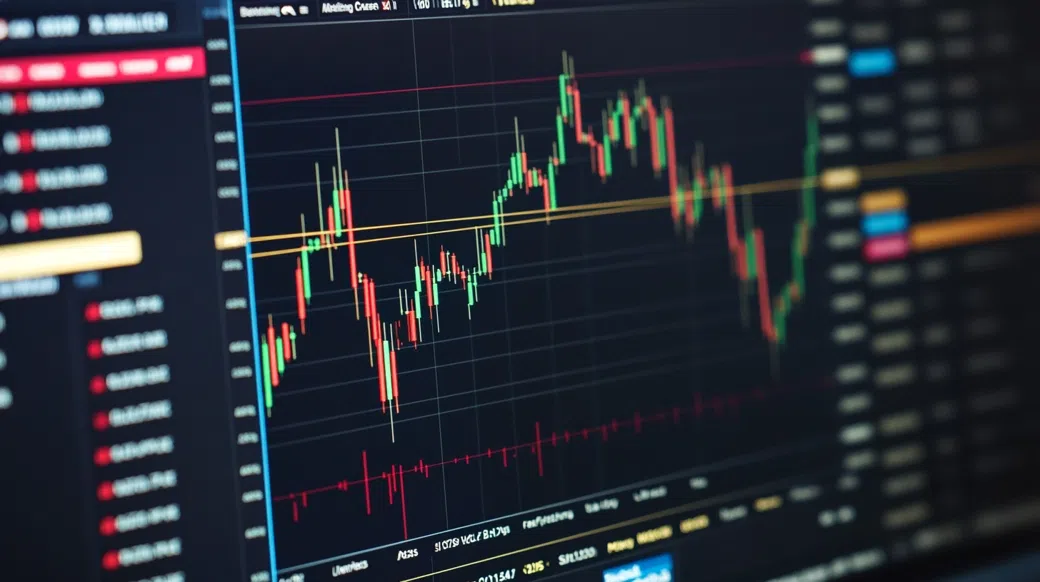
On desktop, the WebTrader behaved like a modern single-page app: stable session handling, quick symbol search, and enough order controls for day-to-day CFD work (market, limit, stop, plus SL/TP attachments). I tested a small US500 position around the New York open and watched the fill: execution landed without a requote, with mild slippage when the tape moved fast. If you live inside MT4/MT5 plug-ins, EAs, or third-party bridges, this environment will feel more contained—clean UI, fewer ecosystem hooks.
Douve Fondença App: Mobile Trading Experience
The Douve Fondença app covers the essentials: real-time quotes, chart view, and full trade management, including partial closes and modifying stops. Douve Fondença login supported biometric unlock on my device, which is the baseline I expect in 2026. Deposits and withdrawals are also reachable from the same menu, so you’re not forced to switch to a browser to move funds. One quirk: push notifications were reliable for fills, but price alerts felt a step less granular than dedicated pro terminals.
Charting, Tools & Research
Charts came with the usual indicator set (MA, RSI, MACD, Bollinger) and workable drawing tools; multi-timeframe switching was smooth. Research is present but not deep: an economic calendar and a light news feed help you avoid trading blind into CPI/FOMC-type windows, but it doesn’t replace a proper analytics stack. I’d treat it as “good enough to execute,” then bring your own macro notes and risk model if you’re serious.
Douve Fondença Account Opening & Minimum Deposit
My signup path started with email + password and a short profile form (residency, basic suitability prompts), then moved straight into identity checks. KYC required a government-issued photo ID and a proof of address document dated within three months; verification cleared for me the same business day. From a security perspective, that’s the right trade: slightly more friction upfront, fewer surprises at withdrawal time.
- Minimum Deposit: $200 (the Douve Fondença minimum deposit in my onboarding flow)
- Funding Methods: Visa/Mastercard, bank wire, regional e-wallets, and cryptocurrencies such as BTC and USDT
- Demo Account: $10,000 virtual balance for rehearsing order types and margin behavior
- Account Types: Standard (spread-only) and Raw/ECN-style (tighter spreads + commission)
Funding via USDT confirmed quickly, and the ledger showed the deposit as a discrete transaction with timestamp and status. If you want to review the exact steps I saw, I started from Douve Fondença and followed the wallet-to-balance path inside the cashier panel.
Douve Fondença Customer Support Review
I poked support with a question that matters to anyone who holds positions overnight: where swap rates are displayed and whether they differ by account tier. Live chat returned with a human reply in roughly three minutes and pointed me to the contract-specs view plus a per-symbol swap table. I also opened an email ticket asking about withdrawal timing after KYC; that answer landed in about nine hours with a clear breakdown by method (cards, wire, and crypto).
Coverage follows the usual CFD rhythm: 24/5 availability aligned to market hours, with weekend staffing thinner unless crypto is being promoted heavily. Language depth depends on shift and region; English was consistent, while Korean support wasn’t always guaranteed. Phone contact wasn’t emphasized in my run-through, which is common for offshore brokers—fine when things work, less comforting when you need escalation.
Ready to Explore Douve Fondença?
If you’re considering this broker, start by checking the live spreads on your main instruments and confirming your region’s eligibility before moving real size. A demo pass can also reveal how the WebTrader handles stops, slippage, and margin warnings in your usual session.
Visit Douve FondençaDouve Fondença Review FAQ
Is Douve Fondença good for beginners?
It can be, as long as you treat leverage like a sharp tool. The interface is approachable and the $10,000 demo helps you learn order placement, but the 1:500 leverage ceiling can amplify mistakes. Beginners should stay small, use hard stops, and avoid holding large CFD positions overnight.
Can I trade crypto on Douve Fondença?
Yes, the platform offers crypto CFDs such as BTC/USD and ETH/USD. You’re trading derivative price exposure rather than owning coins, so there’s no blockchain withdrawal to a personal wallet. Expect wider spreads and faster margin swings during volatility.
Is Douve Fondença a scam?
No, it didn’t present as a scam in my functional tests: KYC was enforced and withdrawals followed a documented flow. The real concern is the offshore structure (Seychelles FSA registration style), which typically offers fewer dispute-resolution protections than Tier-1 regulators. Trade only with risk capital and keep position sizing conservative.
Is Douve Fondença available in the USA?
No, Douve Fondença is not available in the USA. US residents generally face strict CFD restrictions, and the broker blocks access during onboarding checks. If you’re traveling, expect location and document verification to still drive eligibility.
How long does a Douve Fondença withdrawal take?
Most withdrawals are queued for internal processing within 24–48 hours once KYC is complete. After that, arrival depends on the rail: cards commonly take 2–5 business days, wires 3–7 business days, and crypto can land the same day. In my test, a crypto withdrawal moved from “approved” to “sent” within a few hours.
What is the Douve Fondença minimum deposit?
The minimum deposit is $200. That amount is enough to open and margin small CFD positions, but it’s not enough to responsibly run high leverage without strict risk limits. If you plan to trade indices or crypto, leaving extra free margin matters.
Does Douve Fondença have a mobile app?
Yes, Douve Fondença has an iOS and Android app. It supports trading, account management, and cashier functions, and it can use biometric authentication depending on your device. For complex analysis, the desktop WebTrader still feels roomier.
Final Verdict: Should You Use Douve Fondença in 2026?
Overall Score: 4.0/5
Security posture is the hinge point: the platform’s KYC/AML flow and predictable withdrawal mechanics read as “real broker operations,” but the offshore registration means you’re not buying Tier-1 enforcement. Pricing is reasonable if you pick the right tier (Raw/ECN for frequent FX, Standard for lighter trading), and the WebTrader/mobile combo is practical for execution and risk checks. I’d use Douve Fondença for short-horizon CFD trading with disciplined margin rules—not as a long-term parking spot. CFDs are leveraged; losses can exceed expectations if you ignore position sizing.
Best for: active CFD traders who want 1:500 leverage and a clean proprietary platform. Avoid if: you require Tier-1 regulatory protection, MT4/MT5 ecosystems, or you’re prone to leaving accounts inactive for months.