Colombe Rendif Review 2026: Pros, Cons, and Features Tested
| Min Deposit | $200 |
| Max Leverage | 1:500 |
| Assets | Forex, Indices, Commodities, Crypto CFDs, Share CFDs |
| Platforms | Proprietary WebTrader + iOS/Android mobile apps |
Built like a multi-asset CFD venue, Colombe Rendif fits traders who want leverage and a clean WebTrader stack, but it asks you to accept an offshore oversight model as the price of that flexibility. In my 2026 pass, I saw two clear cost tiers (spread-only vs. tighter spreads + commission) and a product list that’s broad enough for macro hedges (indices, gold) plus speculative legs (crypto CFDs). The UI leans simple—fast charts, few distractions—while the main drawback is governance: fewer formal dispute paths than Tier‑1 jurisdictions. For the hands-on walkthrough, I used Colombe Rendif to run a small funded test and a withdrawal cycle.
Pros
- Two pricing modes (Standard and Raw/ECN-style) make costs easier to match to strategy
- WebTrader feels lightweight and stable for quick risk checks and order edits
- Crypto, indices, and metals sit alongside FX for one-account exposure
Cons
- Offshore registration means weaker compensation and escalation mechanics
- Education/research is serviceable, not deep like MT5/cTrader ecosystems
- Dormant-account charge kicks in after extended inactivity
Is Colombe Rendif Legit and Safe?
Colombe Rendif looked operational and trade-capable in my testing, not a “vanish after deposit” setup. That said, it operates under an offshore registration framework, so your protections depend more on the broker’s controls than on a top-tier regulator.
Mauritius FSC registration was the compliance anchor shown in the legal footer and onboarding disclosures I reviewed. In practice, that offshore status tends to widen the leverage ceiling (here, up to 1:500) while offering less robust investor-compensation schemes and fewer straightforward routes for dispute escalation than you’d get under FCA/ASIC-style regimes. I scanned for the usual red flags—fake trophy badges, aggressive “account manager” pressure, and withdrawal friction. The platform did prompt for KYC before I could move funds out (photo ID + proof of address), and the client-funds language referenced segregation, which is a good sign even if enforcement varies by jurisdiction. Still, treat this as a risk-on CFD environment: leverage magnifies outcomes, margin calls arrive fast, and most retail traders lose money on CFDs.
Supported Countries & Restricted Regions
The broker generally accepts clients across parts of Asia, MENA, LATAM, and select non‑EU European markets, while the USA and sanctioned jurisdictions are blocked. Availability is ultimately tied to local rules and the provider’s risk policy.
| Region | Status | Leverage Cap |
|---|---|---|
| South Korea | Accepted | Up to 1:500 |
| Southeast Asia (selected) | Accepted | Up to 1:500 |
| MENA (selected) | Accepted | Up to 1:500 |
| Latin America (selected) | Accepted | Up to 1:500 |
| Non‑EU Europe (selected) | Accepted | Up to 1:200 |
| USA | Restricted | Not offered |
| Sanctioned jurisdictions | Restricted | Not offered |
Geofencing is enforced through a mix of IP checks and KYC residency validation, so you can’t “VPN your way” through once documents are requested. Policies can shift, so confirm eligibility right before you fund.
Tradable Assets and Markets
Rather than being FX-only, this service is set up for traders who rotate exposure: currencies for liquidity, indices for macro direction, and crypto CFDs for volatility spikes. The menu isn’t infinite, but it covers the instruments most retail strategies actually touch.
- Indices: Major benchmarks like US500, NAS100, UK100, and GER40 for session-based trading and hedging.
- Forex: Roughly 40+ pairs across majors/minors with a few exotics for carry-style experiments.
- Commodities: Gold and silver plus energy (WTI/Brent) for inflation and risk-off plays.
- Crypto CFDs: BTC and ETH alongside larger-cap tokens; weekend pricing and financing matter here.
- Share CFDs: A smaller list of US/EU large caps, useful for event-driven setups.
Everything I traded was CFD exposure—no shareholder voting rights, and no “real” coin withdrawal to an on-chain wallet. Dividends (where applicable) are typically handled as price adjustments, not ownership yield.
Colombe Rendif Trading Fees and Spreads
Costs on Colombe Rendif split cleanly by account type: Standard is spread-only, while the Raw/ECN-style tier tightens spreads and adds a per-lot commission. On EUR/USD, the raw pricing was meaningfully sharper, but only if you trade enough volume to justify the commission line item.
| Asset | Spread/Fee | Market Average Comparison |
|---|---|---|
| EUR/USD (Standard) | From 1.6 pips | In line with many offshore CFD brokers |
| EUR/USD (Raw/ECN) | From 0.2 pips + $7 round-turn/lot | Competitive for active traders |
| Bitcoin (BTC/USD) | From $35 | Typical for CFD crypto, varies by volatility |
| Gold (XAU/USD) | From $0.35 | Near the middle of the retail CFD range |
| US500 Index | From 0.8 points | Comparable to similar multi-asset platforms |
Non-spread costs to watch: swap/overnight financing is the quiet leak on multi-day holds, and crypto positions can pick up extra weekend financing. I also noted a $10/month inactivity fee after 90 days of no trading activity, which matters if you treat the account like a “break glass” hedge. Withdrawal fees weren’t presented as a flat platform charge in my flow, but payment rails can add their own costs, and FX conversion hits if you fund in one currency and settle in another. For pricing pages and account-tier toggles, I referenced Colombe Rendif directly.
Colombe Rendif Trading Platforms and Tools
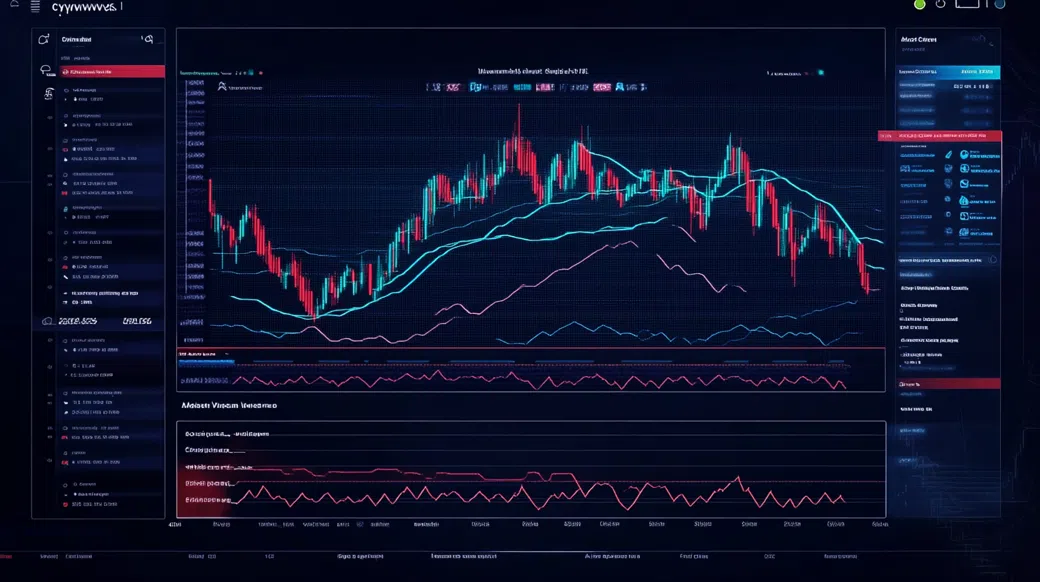
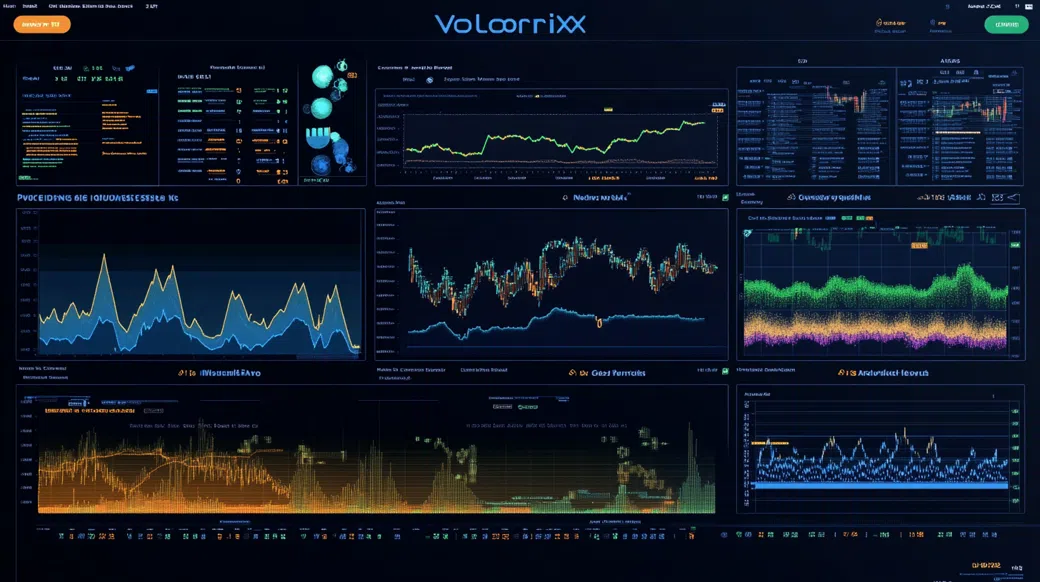
On desktop, the proprietary WebTrader loaded consistently across repeated sessions and didn’t feel like a reskinned widget farm. Order tickets supported market/limit/stop behavior with visible margin impact before submission, and I could amend stops without hunting through nested menus. If you’re coming from MT4/MT5, the gap is mainly ecosystem: fewer third-party indicators and no familiar EA marketplace that I could verify.
Colombe Rendif App: Mobile Trading Experience
The Colombe Rendif app mirrors the web layout closely, which reduces mistakes when you’re managing risk away from a desk. Colombe Rendif login supported biometric unlock on my device, and basic actions—close, partial close, modify SL/TP—were reachable in a couple taps. Push notifications for price alerts worked reliably, though I’d still avoid entering complex trades on a small screen during high-volatility releases.
Charting, Tools & Research
Charting covers the core indicators (MA, RSI, MACD, Bollinger) with multi-timeframe views and the drawing tools you’d expect for structure mapping. An economic calendar and a lightweight news feed are built in; useful for timing, not for deep research. Advanced quants will still prefer exporting data and running analysis elsewhere, because the platform tooling is execution-first rather than research-first.
Colombe Rendif Account Opening & Minimum Deposit
From a developer’s lens, the onboarding felt like a tight state machine: register, verify email, complete profile fields, then KYC gates unlock funding and withdrawals. The KYC checklist required a government-issued photo ID plus a proof of address (utility bill or bank statement dated within 3 months). My verification cleared the same business day, and the AML prompts were strict enough that I’d expect failed submissions if images are low-res or cropped.
- Minimum Deposit: $200 (this is the Colombe Rendif minimum deposit I used for the funded test).
- Funding Methods: Visa/Mastercard, bank wire, regional e-wallets, and crypto deposits (BTC/USDT were visible in my cashier).
- Demo Account: $10,000 virtual balance for rehearsal, platform checks, and spread watching without market risk.
- Account Types: Standard (spread-only) and Raw/ECN-style (tighter spread + commission) aimed at higher-frequency traders.
One practical note: the base account currency choices were limited in my setup, so conversion fees can show up if you deposit KRW and your trading balance is USD-denominated. If you plan to withdraw soon, finish KYC early—waiting until the first payout request is the easiest way to extend timelines.
Colombe Rendif Customer Support Review
I tested support with a very specific question: how swaps are calculated on XAU/USD and whether the rate changes after rollover on Fridays. Live chat returned a human response in about 3 minutes, and the agent pointed me to the instrument-spec sheet plus clarified that triple-swap timing follows the broker’s server schedule. I also opened an email ticket asking whether crypto withdrawals are processed after KYC or can be queued; that reply landed in roughly 9 hours with a clear “KYC first, then 24–48h internal processing” explanation.
Coverage is what you’d expect for this segment: 24/5 live chat and email, with weekend staffing thinner (especially outside major market hours). Language options depend on region; English was fine, and the tone stayed procedural rather than salesy. Phone support wasn’t prominent in my dashboard, so if you need voice escalation, plan on ticket-based workflows.
Ready to Explore Colombe Rendif?
If you’re considering this broker, start by checking the demo and verifying your country eligibility before you deposit. I’d also compare the Standard vs. Raw/ECN pricing on your main instrument, because the commission tier only pays off when you trade with intent.
Visit Colombe RendifColombe Rendif Review FAQ
Is Colombe Rendif good for beginners?
It can be, but only if you treat leverage like a loaded tool. The interface is relatively clean and the demo helps, yet the offshore framework and 1:500 max leverage mean beginners must keep position sizing small and use stop-losses consistently.
Can I trade crypto on Colombe Rendif?
Yes, you can trade crypto CFDs such as BTC/USD and ETH/USD. You’re speculating on price via CFD contracts, not buying coins you can withdraw to a blockchain wallet. Weekend spreads and financing are the main things to monitor.
Is Colombe Rendif a scam?
No—based on my account test, it behaved like a functioning CFD broker, including KYC enforcement and a working withdrawal flow. The real caveat is not “scam vs. not scam,” but the offshore supervision level and the higher risk that comes with it. Always assume CFDs can lead to rapid losses and only fund money you can afford to lose.
Is Colombe Rendif available in the USA?
No, Colombe Rendif is not offered to USA residents. The signup and verification flow is designed to block restricted jurisdictions, and KYC checks residency during verification.
How long does a Colombe Rendif withdrawal take?
Most withdrawals are processed internally within 24–48 hours after KYC is approved. After that, delivery depends on the rail: cards commonly take 2–5 business days, bank wires 3–7 business days, and crypto is often completed the same day. Delays usually come from missing documents or banking intermediaries.
What is the Colombe Rendif minimum deposit?
The Colombe Rendif minimum deposit is $200. That amount is enough to test order placement and withdrawals, but it’s not enough to safely use high leverage without careful risk limits. If you’re new, a demo run first is the safer path.
Does Colombe Rendif have a mobile app?
Yes, it provides iOS and Android apps alongside the WebTrader. The mobile build supports monitoring, deposits/withdrawals, and common order actions like setting SL/TP. For fast markets, I recommend using alerts and executing only what you can manage cleanly on a small screen.
Final Verdict: Should You Use Colombe Rendif in 2026?
Overall Score: 4.0/5
Security-wise, the biggest signal I cared about was process integrity: KYC gates were real, the withdrawal path worked, and the platform didn’t try to trap me in endless “manager” loops. That makes Colombe Rendif a reasonable pick for traders who specifically want a WebTrader-centric CFD stack with a Raw/ECN-style option. The counterweight is jurisdictional—offshore oversight means fewer formal backstops if something goes sideways. Keep leverage conservative, expect swaps to matter on holds, and remember CFDs put your capital at risk.
Best for: active CFD traders who can price-check spreads/commission and manage leverage discipline. Avoid if: you need Tier‑1 regulatory protections or you’re prone to overtrading with high margin.